


- Quick Answer
- Why Refrigerator Coils Frost Up
- Frost Pattern Diagnosis Chart
- Door Seal & Moisture Problems
- Defrost System Failures
- Airflow Restrictions
- Step-by-Step Troubleshooting
- How to Prevent Frost Buildup
- Frequently Asked Questions
- Professional Refrigerator Repair
Quick Answer
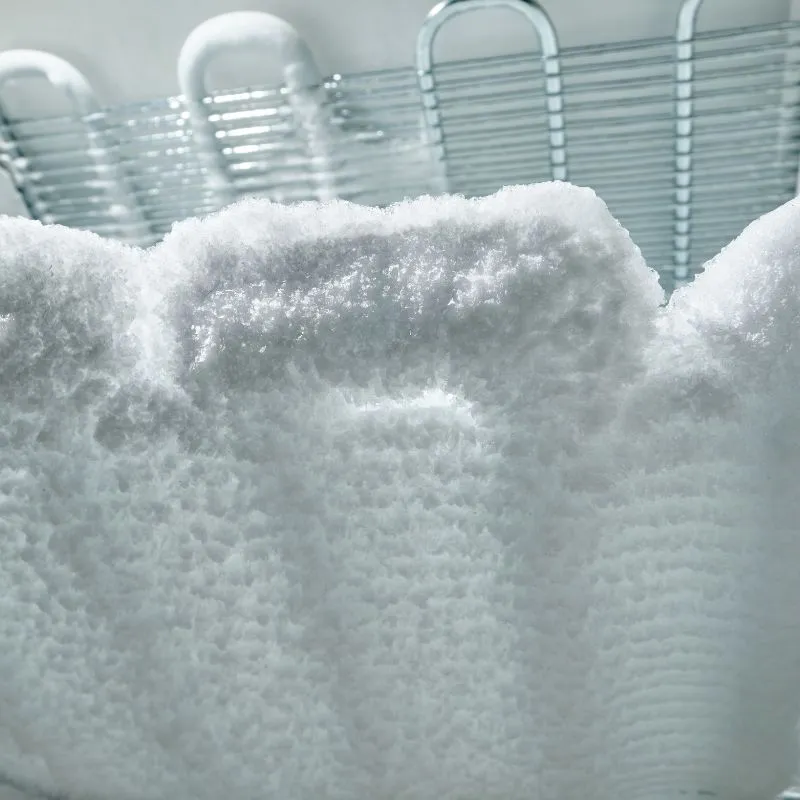
If your refrigerator coils are frosting up, the most common causes are a failed defrost system, leaking door gasket, blocked airflow, clogged defrost drain, or excessive moisture entering the freezer. Heavy frost on the evaporator coils prevents proper airflow and eventually reduces cooling performance.




The Most Common Reasons Coils Ice Over
Here are the usual culprits behind fridge freezer coils frosting up:
- Door seal leaks (gasket): Warm, humid air enters and freezes on the coil.
- Door left slightly open: Even a tiny gap can cause rapid frost.
- Blocked vents or overpacked freezer: Air can’t circulate, frost concentrates on the coil.
- Defrost system failure: Heater, defrost thermostat/sensor, or control board may not trigger defrost.
- Drain line clog: Meltwater can refreeze and create excessive ice.
- Fan issues: If the evaporator fan slows or stops, cold air doesn’t move correctly.
If you keep seeing fridge freezer coils frosting up after clearing ice, it’s almost always one of the items above.
Discover Solutions for Other Common Refrigerator Issues


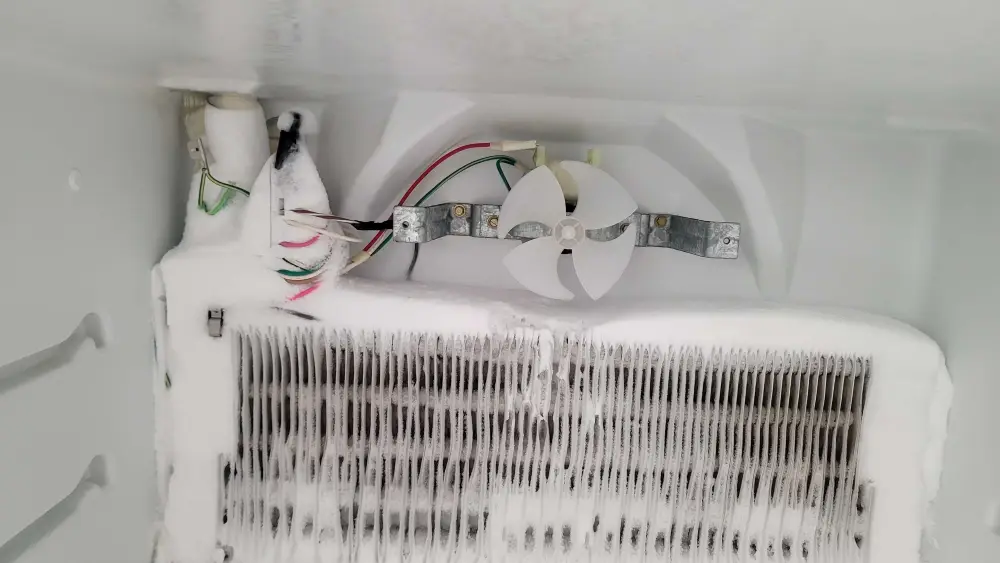
A thin layer of frost on evaporator coils is completely normal during operation. However, when the coils become covered with thick ice or snow, cold air can no longer circulate properly.
In many refrigerators, excessive frost first causes the fresh food compartment to warm while the freezer appears to continue working normally.
Technician Insight
Heavy frost covering the entire evaporator coil almost always points to a defrost system problem rather than a refrigerant leak.
Heavy frost covering the entire evaporator coil almost always points to a defrost system problem rather than a refrigerant leak.
Why Refrigerator Coils Frost Up
The most common reasons include:
- Defrost heater failure
- Defrost thermostat malfunction
- Faulty temperature sensor
- Door gasket leaks
- Blocked evaporator airflow
- Frozen defrost drain
- Evaporator fan problems
These issues allow moisture to freeze continuously instead of melting during automatic defrost cycles.
Frost Pattern Diagnosis Chart
| Frost Pattern | Likely Cause | First Step |
|---|---|---|
| Entire evaporator covered in frost | Defrost system failure | Perform manual defrost |
| Frost near the door only | Door seal leak | Inspect gasket |
| Ice at freezer bottom | Blocked defrost drain | Clear drain line |
| Uneven frost on one side | Airflow restriction | Check vents and fan |
| Frost returns within 24–48 hours | Defrost component failure | Professional diagnosis |
Door Seal & Moisture Problems
Warm air entering through a damaged gasket introduces moisture that quickly freezes onto the evaporator coils.
Signs include:
- Condensation around the door
- Ice near the front of the freezer
- Frequent compressor operation
- Heavy frost after long door openings
Cleaning or replacing damaged door seals often prevents recurring frost buildup.
Defrost System Failures
Modern refrigerators automatically melt frost several times each day.
If the defrost system stops working:
- Ice continues building on the coils
- Airflow decreases
- Cooling performance drops
- The refrigerator section becomes warm
Common failed components include the defrost heater, thermostat, thermistor, or electronic control board.
Airflow Restrictions
Cold air must circulate freely around the evaporator coils.
Airflow problems may be caused by:
- Overpacked freezer shelves
- Food blocking air vents
- Ice around the evaporator fan
- Damaged fan motor
Even a healthy cooling system can develop frost problems if airflow is restricted.
Step-by-Step Troubleshooting
Safety Reminder: Never remove ice using knives, screwdrivers, or sharp tools, as they can puncture refrigerant lines.
1. Perform a Manual Defrost
Disconnect power and allow all ice to melt naturally.
2. Inspect the Door Gasket
Clean the gasket and verify it seals tightly.
3. Check Airflow
Remove items blocking vents or fan openings.
4. Inspect the Defrost Drain
Clear any ice or debris preventing proper drainage.
5. Monitor Frost Return
If frost returns within a few days, the defrost system likely requires repair.
How to Prevent Frost Buildup
- Keep door openings brief
- Store food in sealed containers
- Avoid overloading the freezer
- Maintain clear airflow around vents
- Inspect door gaskets regularly
- Clean the freezer periodically
Simple maintenance habits can greatly reduce moisture accumulation and ice formation.
Frequently Asked Questions
Why are my freezer coils frosting up?
The most common causes are defrost system failures, door gasket leaks, or blocked airflow.
Is frost on evaporator coils normal?
A light coating is normal, but thick ice covering the coils indicates a problem.
Can I simply remove the frost?
Manual defrost removes the ice temporarily, but recurring frost usually means the underlying problem still exists.
Can a bad door seal cause frozen coils?
Yes. Warm, humid air entering the freezer creates excessive frost on the evaporator coils.
When should I call a technician?
If frost returns quickly after a complete manual defrost or cooling performance continues to decline.
Professional Refrigerator Repair
If your refrigerator or freezer coils continue frosting up after basic troubleshooting, professional diagnosis may be necessary.
Experienced technicians can identify failed defrost heaters, thermostats, sensors, evaporator fans, drain problems, and electronic control issues before they lead to compressor strain or food spoilage.
Maintenance Tip:
Regularly inspecting door gaskets, keeping vents unobstructed, and performing routine freezer cleaning can help prevent excessive frost buildup and improve refrigerator efficiency.