

If your refrigerator is suddenly leaving puddles on the floor or turning the bottom of the fridge into a mini swimming pool, don’t blame the water filter right away. A defrost drain problem is one of the most common reasons fridges leak, build ice, and start smelling “off.”
The good news: many defrost drain issues can be fixed at home with basic tools and a bit of patience.
What the Defrost Drain Actually Does
Modern refrigerators periodically run a defrost cycle. Frost melts off the evaporator area, the water flows into a small drain hole, travels down a tube, and ends up in a drain pan underneath where it evaporates.
When that path gets blocked or freezes, the water has nowhere to go—so it ends up inside your fridge/freezer, under drawers, or on your kitchen floor.
Book Online and Save $25
How to Spot Defrost Drain Problems in Your Refrigerator
Look for these signs—most people notice at least one before the leak becomes obvious:
| Common cause | Why it happens | What to do next |
|---|---|---|
| A clogged drain hole or tube | Food particles, dust, crumbs, and sludge build up over time. In some fridges, mold can form in the tube and create a gel-like clog. | Unplug the fridge, then flush the drain with hot water and gently clear the tube (no sharp tools). Clean the drain area and confirm water reaches the drain pan. |
| A frozen defrost drain | Cold airflow or leftover water in the tube can freeze into a plug. Each defrost cycle adds more water that can’t escape. | Fully thaw the drain area (hair dryer on low, carefully). After thawing, flush with warm water and confirm free flow to the drain pan. |
| Misaligned or disconnected drain tube | Vibration, moving the unit, or cleaning can shift the tube so water misses the drain pan. | Inspect the tube routing and re-seat it so it drains directly into the pan. Secure it if it keeps slipping. |
| Cracked or overflowing drain pan | The pan can crack/warp, or the pan is fine but water isn’t reaching it (which looks like a pan problem). | Check for cracks and replace the pan if damaged. If the pan is OK, focus on clearing the drain path and confirming the tube alignment. |
| Defrost system problems (not just the drain) | If the heater, thermostat, or control board isn’t working correctly, excessive ice forms, then melts unevenly and overwhelms the drain. | If heavy ice returns quickly after a full defrost, stop troubleshooting and book service (defrost heater/sensor/control diagnosis). |
| Safety first | Water + electricity is a dangerous combo. | Before you do anything: unplug the refrigerator or switch off power at the breaker. |
Step-by-step
Find the drain location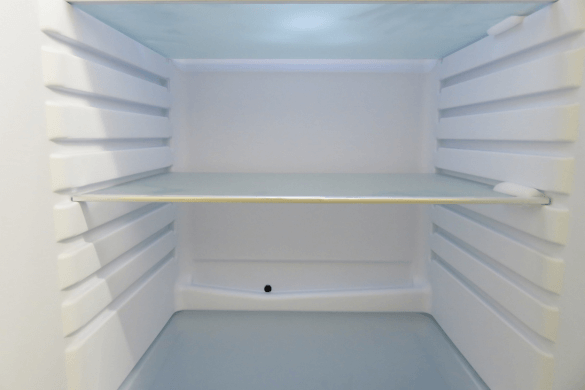
- In many freezers, it’s under a rear interior panel or at the bottom back.
- In many fridges, water may collect under crispers when the freezer drain is blocked (yes, the freezer drain can cause fridge leaks).
Melt visible ice safely
- Use warm towels.
- If using a hair dryer, keep it moving and avoid overheating plastic parts.
Flush the drain with warm water
- Use a turkey baster, squeeze bottle, or syringe.
- Flush until water flows freely (you should hear it drip into the drain pan below).
Clear the tube
- Use a pipe cleaner or flexible plastic tubing (avoid sharp wire that can puncture the drain).
- A wet/dry vacuum on the drain tube end (near the back/bottom of the fridge) can pull out stubborn gunk.
Sanitize
- A mild mixture of warm water + a small amount of baking soda can help reduce odors and slow slime buildup.
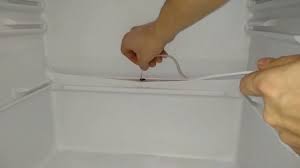
Fixing a Frozen Defrost Drain Line
If the drain keeps freezing, clearing it once may not be enough—you’ll want to address why it’s refreezing.
What usually helps
- Fully thaw the drain area (not just the surface ice)
- Flush with hot (not boiling) water several times
- Check door gaskets: warm air leaks create extra frost and extra meltwater
- Confirm airflow isn’t blocked: overloaded freezer shelves can cause cold spots that refreeze the drain
Practical hack (common service trick): some models allow a small heat-conducting clip/wire from the defrost heater to the drain area to reduce refreezing. It’s model-specific, but it’s a known approach technicians use when a drain repeatedly freezes.
When to Call a Professional for Defrost Drain Issues
DIY is great—until it turns into repeat failures or electrical diagnosis. Call a tech if you notice:
- The drain clogs again within days/weeks after you clear it
- The drain refreezes repeatedly despite thorough thawing
- Your fridge is not entering defrost properly (heavy frost buildup, poor cooling)
- You suspect a heater, sensor/thermostat, or control board issue
- You can’t access the drain safely without removing complex panels or risking damage
A pro can also confirm whether your model has a known drain redesign kit or manufacturer update.
How to Prevent Defrost Drain Problems
You don’t need to baby your fridge—just a few habits reduce drain trouble a lot:
- Keep food covered to reduce crumbs and sticky residue
- Don’t overpack: allow airflow in the freezer
- Clean the interior and wipe moisture regularly
- Inspect door gaskets so warm air doesn’t create excess frost
- Once or twice a year, flush the drain with warm water as preventative maintenance




Discover Solutions for Other Common Refrigerator Issues


