

A freezer that’s running but not freezing is one of those problems that feels urgent for a reason: food safety and wasted groceries. If you’re dealing with a freezer not cooling, the good news is that many causes are simple—airflow, settings, dirty coils, or a door seal—and you can often diagnose them without special tools.
Below is a clear, step-by-step guide to figure out why your freezer not cooling issue is happening, what to check first, and when it’s time to call a professional.
Quick Safety and “Don’t Make It Worse” Checks
Before you start testing anything, protect your food and avoid accidentally damaging the appliance.
- Move high-risk foods (meat, seafood, dairy) into a cooler with ice if the temperature is rising. If the freezer is above 0°F / -18°C for too long, quality and safety can suffer.
- Avoid chipping ice with sharp tools. If your freezer not cooling and you see heavy frost, stabbing the ice can puncture a refrigerant line.



Symptoms That Point to the Root Cause
It helps narrow down why your freezer not cooling even though it seems powered on.
| What you notice | Likely cause | What to do next |
|---|---|---|
| Freezer runs constantly but stays warm | Dirty condenser coils or poor ventilation | Clean coils; ensure proper clearance around the unit |
| Frost builds up on back wall / inside panel | Defrost system issue or airflow blockage | Defrost fully; check vents and fan operation |
| Freezer is warm, fridge section is also warm | Compressor/relay/start device problem | Listen for clicking; consider service call |
| Door feels “loose” or you see gaps | Worn door gasket, misaligned door | Do the paper test; clean/replace gasket |
| Freezer cools sometimes, then warms | Damper/thermostat issues, fan intermittent | Check fans; verify temperature settings |
| Freezer is cold near the back, warm at the front | Circulation blocked by overpacking | Reorganize food; keep vents clear |
Discover Solutions for Other Common Refrigerator Issues


The Most Common Reasons a Freezer Stops Cooling
1) Temperature Settings and Mode Confusion
It sounds basic, but it’s common: settings get bumped, or “demo mode” / “eco mode” is enabled on some models. If your freezer not cooling, confirm the freezer is set to 0°F / -18°C and not higher.
2) Airflow Problems (Overpacking and Blocked Vents)
Freezers don’t cool by “making everything cold at once”—they move cold air. When vents are blocked by bags, boxes, or a wall of frozen meat, warm pockets appear.
If your freezer not cooling, try this:
- Leave a little breathing room around vents and the back wall.
- Don’t press items tightly against the interior panel.
- Group items in bins so air channels stay open.
3) Dirty Condenser Coils
Dust-coated condenser coils can trap heat, forcing the system to run longer without reaching the target temperature. This is a top cause of a freezer not cooling complaint in homes with pets.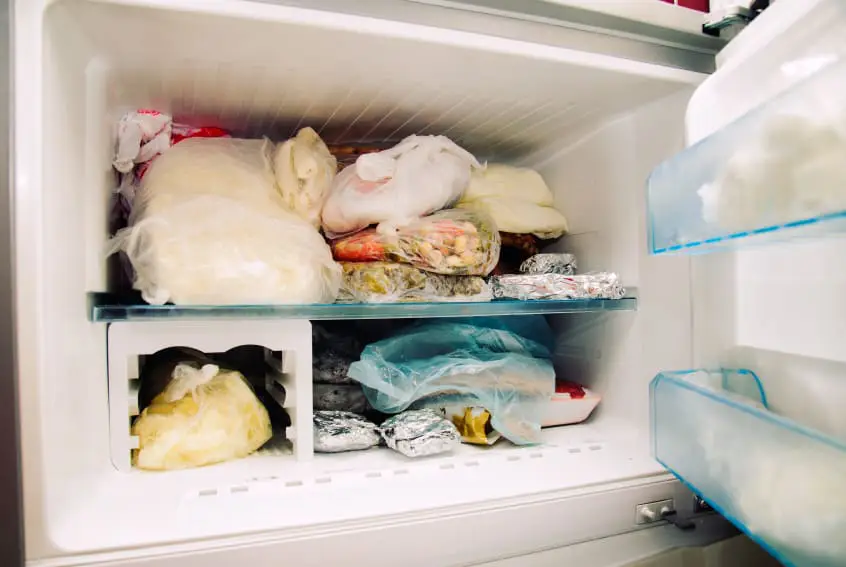
Basic fix: unplug the unit, locate coils (often behind or underneath), vacuum gently, then use a coil brush if accessible.
4) Door Seal Leaks (Warm Air In, Frost Out)
If the door gasket doesn’t seal, humidity enters, frost accumulates, and cooling performance drops. A freezer not cooling plus lots of frost can be a strong sign.
Quick “paper test”: close the door on a strip of paper. If it slides out easily, the seal may be weak in that area.
What to Check in Order
Checklist: 10-minute homeowner inspection
- Confirm the thermostat/controls are set correctly (0°F / -18°C target).
- Make sure the freezer door closes fully and isn’t blocked by packaging.
- Inspect the gasket for dirt, tears, or deformation.
- Check that vents inside aren’t blocked by food.
- Listen for the evaporator fan (often a soft whir when the door switch is pressed).
- Look for heavy frost on the back wall or ceiling.
- Clean visible dust from the condenser area.
- Ensure the freezer has enough space around it for ventilation.
- Verify the room temperature isn’t extremely hot (garage installs can struggle).
- After adjustments, give it several hours to stabilize.
Signs it’s time to call a technician
- You hear repeated clicking every few minutes (possible start relay/compressor issue).
- The fan never runs, even when the unit should be cooling.
- The freezer is warm and you see no frost pattern at all (possible sealed-system issue).
- You notice an unusual chemical smell or oily residue (possible refrigerant leak).
- The unit trips the breaker or won’t stay powered.
- Your freezer not cooling persists after a full manual defrost (24 hours unplugged) and coil cleaning.
The Best “Reset” for Frost-Related Failures
If your freezer not cooling and frost is visible, a full manual defrost can be both diagnostic and corrective:
- Unplug the freezer.
- Remove food and keep it cold in a cooler.
- Leave doors open for 12–24 hours (towels ready).
- After everything is fully melted and dry, plug back in.
- Wait 6–12 hours and check temperature progress.
If cooling returns temporarily and then fails again, the defrost system (heater, thermostat, control board/timer) may be the underlying problem.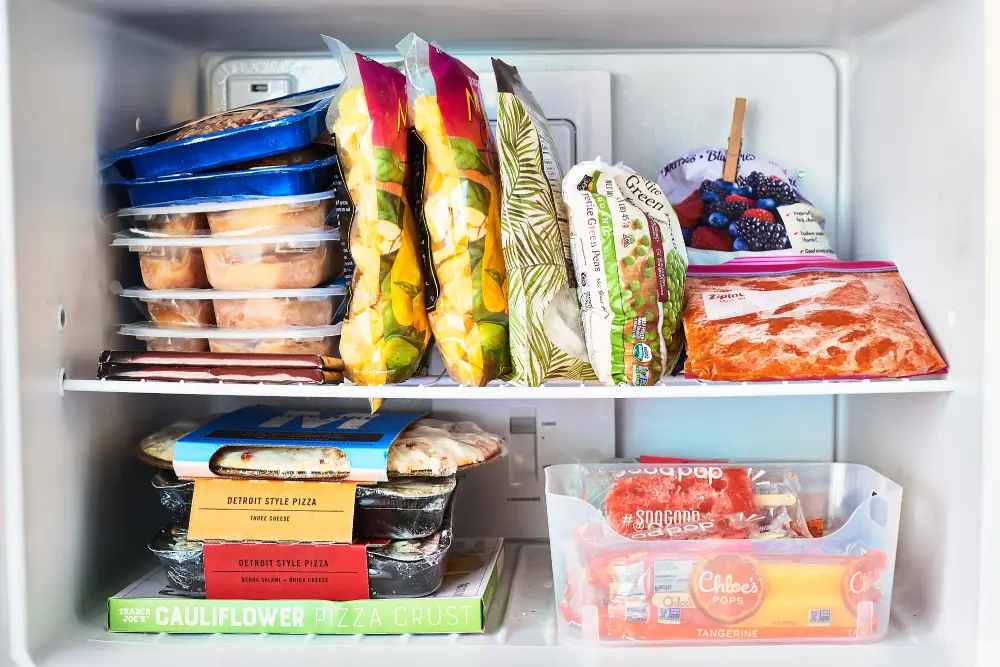
Simple Habits That Prevent “Freezer Not Cooling” Problems
- Clean condenser coils every 3–6 months (more often with pets).
- Don’t overload: allow air circulation.
- Keep the gasket clean and dry.
- Avoid frequent long door openings—humidity becomes frost.
- Let hot food cool before freezing to reduce moisture load.
When a freezer not cooling, the cause is often airflow, seals, or heat removal—things you can check quickly. Start with settings, vents, gasket, and coil cleaning. If symptoms point to fans, relays, or sealed-system issues, calling a qualified technician is the safest move.
If you want, paste the model number and describe what you hear (humming, clicking, silent) and what you see (frost/no frost). I’ll narrow it down to the most likely culprit and the next best action.