

Many modern refrigerators hide condenser coils underneath the appliance or behind access panels. If these coils become clogged with dust and pet hair, your fridge may run constantly, cool poorly, overheat, or increase energy usage. Cleaning hidden refrigerator coils every 6–12 months helps prevent expensive compressor problems and improves cooling efficiency.
Modern refrigerators are designed for sleek kitchens, built-in cabinetry, and quieter operation. But many premium models hide their condenser coils behind panels or underneath the refrigerator, making regular maintenance much harder than older designs.
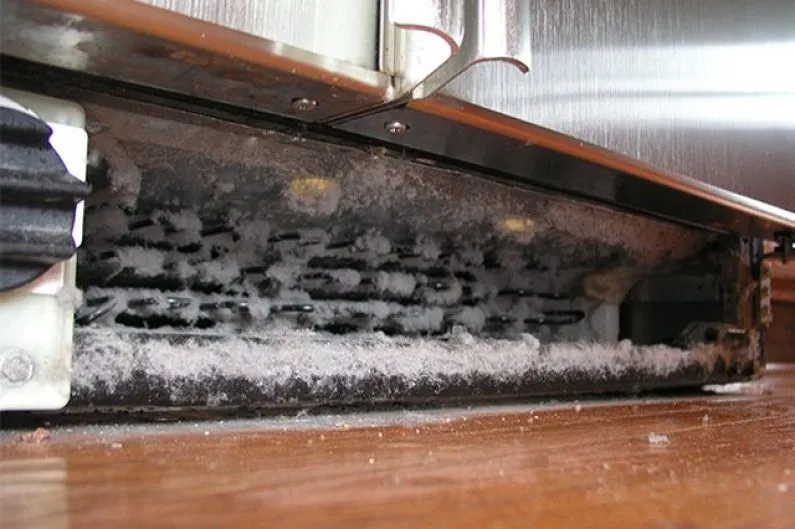
Unfortunately, hidden refrigerator coils collect dust just as quickly — sometimes even faster — because airflow is more restricted. Over time, dirty coils force the compressor to work harder, increasing wear, overheating risk, and energy costs.
This article was reviewed by experienced refrigerator repair specialists servicing Sub-Zero, LG, Bosch, GE, Whirlpool, KitchenAid, and built-in refrigerators throughout New York City.
Why Modern Refrigerators Have Hidden Coils
| Reason | Benefit | Downside |
|---|---|---|
| Built-in design | Flush cabinet appearance | Harder maintenance access |
| Noise reduction | Quieter operation | Dust buildup hidden from view |
| Modern aesthetics | Cleaner kitchen design | Coils often ignored |
| Safety improvements | Protected internal components | Requires panel removal |
Popular Refrigerator Models With Hidden Coils
| Brand / Model Type | Coil Location | Access Difficulty | Common Problems |
|---|---|---|---|
| Sub-Zero Built-In Refrigerators | Behind toe-kick grille or lower vent panel | Often blocked by cabinetry or trim panels | Overheating, compressor strain, airflow restriction |
| LG French Door Refrigerators | Underneath behind front grille | Low floor clearance limits cleaning access | Dust buildup, weak cooling, constant running |
| Bosch 800 & Benchmark Series | Inside lower trim vent or base section | May require panel removal or specialty tools | Poor airflow, hidden dust accumulation |
| GE Bottom-Freezer Refrigerators | Rear base or lower back section | Often difficult to move away from wall | Hot compressor, noisy operation, weak cooling |
Professional Insight:
Dirty condenser coils are one of the most overlooked causes of refrigerator overheating, weak cooling, and premature compressor failure — especially in built-in and luxury refrigerators with concealed coil systems.
Signs Your Refrigerator Coils Need Cleaning
- Refrigerator runs constantly
- Compressor feels unusually hot
- Weak cooling performance
- Energy bills suddenly increase
- Visible dust buildup near lower vents
- Fridge sides feel hot to the touch
- Compressor noise becomes louder
How to Clean Hidden Refrigerator Coils
Safety First: Always unplug the refrigerator before cleaning condenser coils or removing access panels.
- Unplug the refrigerator.
Disconnect power completely before beginning maintenance. - Remove the toe-kick or lower grille.
Some models use clips while others require screws. - Vacuum loose dust carefully.
Use a soft brush attachment to avoid damaging coil fins. - Use a condenser coil cleaning brush.
Flexible brushes reach deep inside hidden coil systems. - Clean surrounding vents.
Dust near intake vents restricts airflow and cooling performance. - Reinstall panels and restore power.
Monitor cooling performance over the next 24 hours.
Best Tools for Cleaning Refrigerator Coils
| Tool | Purpose |
|---|---|
| Condenser coil brush | Removes deep dust between coils |
| Vacuum with brush attachment | Cleans loose dirt and pet hair |
| Flashlight | Improves visibility behind panels |
| Screwdriver set | Removes access panels safely |
| Microfiber cloth | Wipes dust from vents and trim |
When to Call a Professional Refrigerator Technician
Some refrigerators have coil systems hidden behind cabinetry, compressor covers, or specialty trim panels that are difficult to remove safely without damaging the appliance or surrounding cabinets.
You should contact a professional refrigerator repair technician if: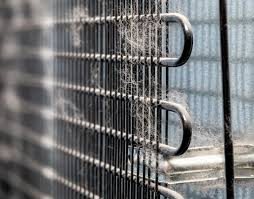
- Your refrigerator still runs hot after cleaning
- The compressor remains noisy or overheating
- You cannot safely access the condenser coils
- The fridge still cools poorly after maintenance
- You own a luxury built-in refrigerator system
Important:
Ignoring dirty refrigerator coils for long periods can eventually lead to compressor failure — one of the most expensive refrigerator repairs.
Schedule professional refrigerator repair in New York
Frequently Asked Questions
How often should refrigerator coils be cleaned?
Most refrigerators should have their condenser coils cleaned every 6–12 months. Homes with pets may require more frequent cleaning.
Can dirty coils cause poor cooling?
Yes. Dirty coils reduce heat transfer efficiency and force the compressor to work harder, which weakens cooling performance.
Are hidden refrigerator coils harder to clean?
Yes. Modern built-in and premium refrigerators often hide coils behind toe-kick panels or underneath the appliance, making maintenance more difficult.
Can dirty coils increase electric bills?
Absolutely. A refrigerator with clogged coils consumes more electricity because the compressor runs longer and works harder.
Should I unplug the refrigerator before cleaning coils?
Yes. Always disconnect power before cleaning internal refrigerator components.
Final Thoughts
Hidden condenser coils make modern refrigerators quieter and more attractive, but they also make maintenance easier to ignore. Cleaning refrigerator coils regularly helps improve cooling efficiency, reduce compressor stress, lower energy usage, and prevent expensive repairs.
If your refrigerator still struggles after cleaning or the coils are difficult to access safely, professional service may help prevent larger cooling system failures.
Cleaning refrigerator condenser coils twice a year is one of the simplest ways to extend refrigerator lifespan and improve energy efficiency.
More Refrigerator Problems We Can Help You Solve
Not seeing your exact issue? Browse these related troubleshooting articles for additional refrigerator repairs.