

If your refrigerator is not cooling properly, running non-stop, or causing a sudden spike in your electricity bill, dirty condenser coils may be the hidden problem. This is one of the most common and overlooked causes of refrigerator inefficiency—and it can lead to expensive repairs if ignored.
In this guide, you’ll learn the key warning signs of dirty refrigerator coils, how to clean them step-by-step, and when it’s time to call a professional refrigerator repair service.
What Are Refrigerator Coils and Why They Matter
Refrigerator condenser coils are responsible for releasing heat from inside your fridge. They are usually located behind or underneath the appliance.
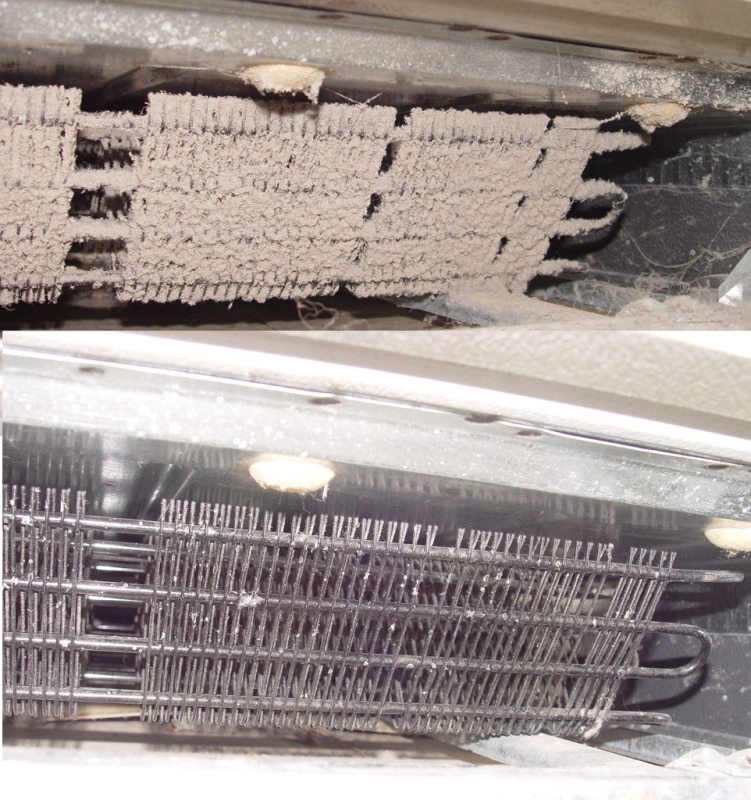
When these coils become covered in dust, pet hair, or grease, they can’t release heat efficiently. As a result, your refrigerator has to work harder to keep food cold.
Signs Your Refrigerator Coils Are Dirty
Here are the most common symptoms of dirty refrigerator coils:
- Refrigerator running constantly
If your fridge never seems to turn off, it may be struggling to maintain the correct temperature. - Fridge not cooling properly
Food spoiling faster than usual is a major warning sign. - Higher electricity bills
Dirty coils force your appliance to use more energy. - Excess heat behind or under the fridge
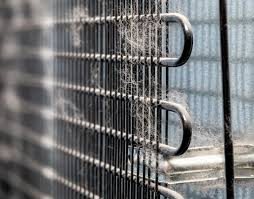
Blocked coils trap heat inside the system. - Visible dust buildup
If you can see dirt on the coils, cleaning is overdue. - Moisture or ice issues
Poor cooling cycles can cause condensation or frost problems.
What Happens If You Don’t Clean Refrigerator Coils
Ignoring dirty coils can lead to serious problems:
- Compressor overheating and failure
- Reduced appliance lifespan
- Increased energy consumption
- Food safety risks due to unstable temperatures
Regular maintenance can prevent costly breakdowns and extend the life of your refrigerator.
How to Clean Refrigerator Coils (Step-by-Step Guide)
Cleaning your refrigerator coils is a simple DIY task:
- Unplug the refrigerator
Always disconnect power for safety. - Locate the coils
Check behind the fridge or under the bottom panel. - Use a coil cleaning brush
Loosen dust and debris trapped in tight spaces. - Vacuum the area
Use a vacuum with a hose attachment to remove dirt. - Clean surrounding surfaces
Wipe the floor and nearby walls to prevent quick buildup. - Plug the refrigerator back in
Monitor performance over the next 24 hours.
How Often Should You Clean Refrigerator Coils
- Every 6–12 months for most households
- Every 3–6 months if you have pets or cook frequently
Regular cleaning improves efficiency and reduces wear on internal components.
Can Dirty Coils Break a Refrigerator?
Yes. Dirty refrigerator coils can cause overheating, which puts excessive strain on the compressor. Over time, this can lead to complete cooling failure and expensive repairs.
When to Call a Professional Refrigerator Repair Service
If cleaning the coils doesn’t solve the problem, it may indicate a deeper issue.
You should contact a technician if:
- The fridge is still not cooling
- You hear unusual noises
- The compressor is overheating
- The appliance shuts off unexpectedly
For homeowners in New York, professional services like Express Repair NY offer:
- Emergency refrigerator repair
- Same-day diagnostics
- Compressor and cooling system repair
- Full refrigerator maintenance
If you’re searching for “refrigerator repair NYC” or “emergency fridge repair near me”, getting expert help quickly can prevent further damage.
| Problem | Likely Cause | Solution |
|---|---|---|
| Fridge not cooling | Dirty coils | Clean coils |
| High energy bill | Blocked airflow | Remove dust buildup |
| Fridge runs constantly | Heat not released | Coil maintenance |
| Overheating | Dust-covered condenser | Deep cleaning |
FAQ: Refrigerator Coil Cleaning
Can I clean refrigerator coils without unplugging?
No, always unplug the appliance before cleaning for safety.
Where are refrigerator coils located?
They are usually behind the fridge or underneath it.
Do dirty coils increase electricity bills?
Yes, significantly. Dirty coils force the system to work harder.
How long does it take to clean refrigerator coils?
Typically 15–30 minutes.
Is coil cleaning enough to fix cooling problems?
In many cases yes, but if issues persist, professional repair may be needed.
Final Thoughts
Dirty refrigerator coils are a small issue that can quickly turn into a major problem if ignored. Regular cleaning improves efficiency, lowers energy costs, and extends the lifespan of your appliance.
If your refrigerator is still not working properly after cleaning, don’t wait—professional repair can save you time and money in the long run.