

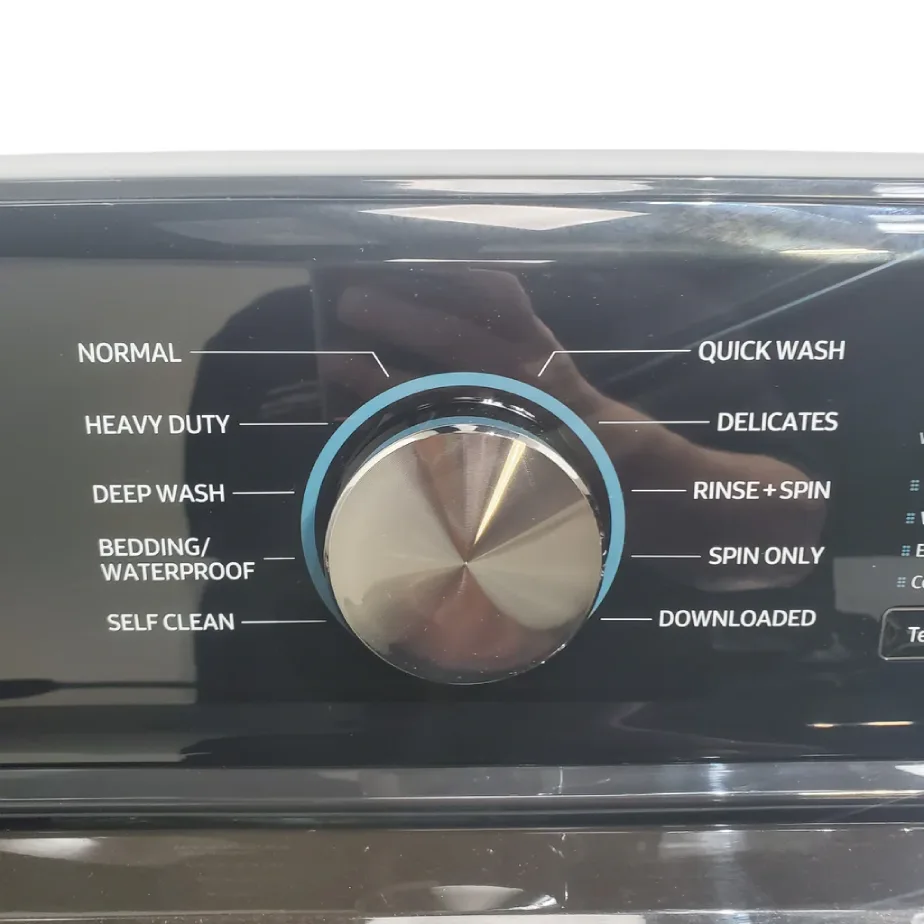
The what does heavy duty mean on a washing machine question appears frequently because cycle names differ between brands.
In general, the heavy duty wash cycle meaning includes:
- Longer wash duration
- Increased agitation
- Higher spin speed
- Hotter water options
Heavy Duty Mode Washer — Best Use Cases
Use heavy duty mode washer for:
- Muddy workwear
- Thick cotton towels
- Pet bedding
- Sports uniforms
Avoid using it on silk or lace.
How Long Is the Heavy Duty Cycle?
The heavy duty cycle is usually one of the longest programs on a washing machine. Depending on the washer model and load size, it can last:
- 1.5 to 3 hours on modern high-efficiency machines
- 60–120 minutes on standard top-load washers
This extended time allows deeper soaking, stronger mechanical action, and more thorough rinsing. The goal is to remove ground-in dirt, grease, sweat, and bacteria that lighter cycles may leave behind.
What Clothes Should NOT Be Washed on Heavy Duty?
Although powerful, this setting is not universal. Using it incorrectly can damage fabrics or shorten garment lifespan.
Avoid heavy duty for:
- Silk and satin
- Lace and lingerie
- Lightweight synthetic fabrics
- Wool and cashmere
- Items labeled “gentle wash only”
These materials can stretch, pill, or tear under strong agitation and high spin speeds.
Heavy Duty vs Normal Cycle
Many users confuse heavy duty with the normal cycle. While both are designed for everyday laundry, they serve different purposes.
Heavy Duty Cycle
- Best for very dirty or bulky loads
- Uses more water and energy
- Provides maximum stain removal
- Can increase fabric wear over time
Normal Cycle
- Ideal for daily clothing like t-shirts and jeans
- Balanced cleaning performance
- More energy-efficient
- Safer for mixed fabrics
If clothes are only lightly soiled, choosing normal instead of heavy duty can reduce electricity costs and extend fabric life.
Does Heavy Duty Use More Electricity and Water?
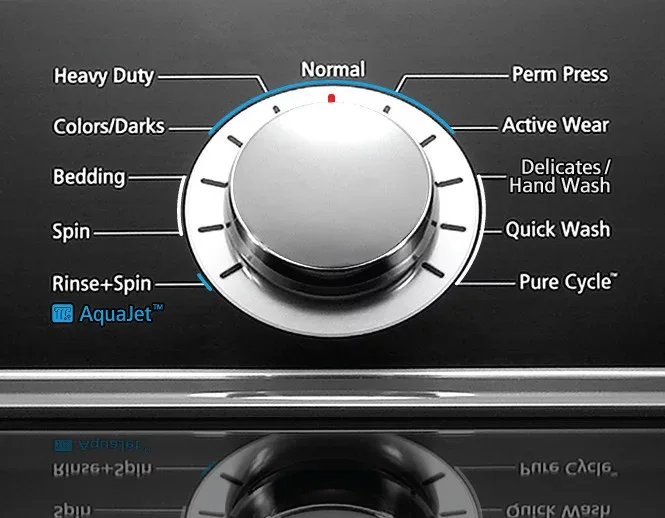 Yes — in most cases.
Because the program runs longer, spins faster, and may heat water to higher temperatures, the heavy duty setting typically:
- Consumes more electricity
- Uses additional rinse phases
- Requires higher drum movement power
However, it can still be efficient when washing large, dirty loads. Running one heavy duty cycle is often better than washing the same items twice on a lighter setting.
Pro Tips for Using Heavy Duty Mode Correctly
To get the best results:
- Do not overload the drum — bulky items need space to move
- Use the correct detergent dose (HE detergent for HE washers)
- Pre-treat oil and mud stains before washing
- Wash similar heavy fabrics together
- Select hot water only when fabrics allow it
Cycle Comparison
| Parameter | Heavy Duty | Delicate |
|---|---|---|
| Spin speed | High | Low |
| Agitation | Strong | Gentle |
| Water temp | Hot | Cold |
| Fabric wear | Higher | Minimal |
Efficiency Tips
Understanding what does heavy duty mean on a washing machine helps save energy. Only use it when necessary.