
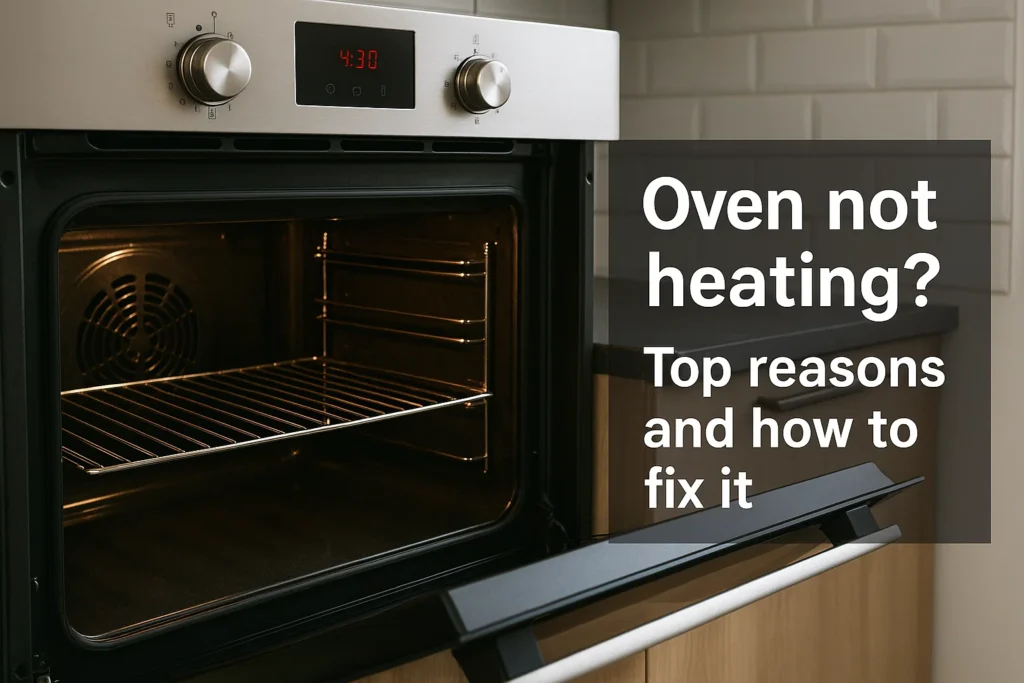
Few things are more frustrating than preheating your oven only to find it staying cold. Since most kitchens rely heavily on ovens for everyday cooking, a malfunction can throw off the entire meal plan. The good news is that many problems with electric ovens not heating have clear causes — and in some cases, you can even troubleshoot the issue yourself before calling in a repair service.
1. Power Supply Problems
The first step is to rule out electrical issues.
- Check the plug: Make sure the oven is securely connected to the outlet.
- Inspect the breaker: Ovens typically require a double-pole breaker. If one side trips, the control panel may still light up while the heating elements remain cold.
If the power connection looks fine and the oven still won’t heat, the problem lies inside the appliance.
2. Burnt-Out Heating Elements
In electric ovens, the bake element (at the bottom) and the broil element (at the top) generate heat. Over time, these parts can burn out. Signs include:
- The element not glowing red when the oven is on.
- Uneven cooking or food taking far longer to bake.
Replacing a heating element usually solves the problem. While the swap is straightforward, it involves handling electrical wiring, so many people prefer hiring a technician.
3. Faulty Temperature Sensor
Modern ovens use a temperature sensor to monitor the heat inside. If this sensor fails, the oven may not reach or maintain the right temperature. Symptoms include undercooked food or the oven shutting off too early. Testing requires a multimeter, and if the readings are off, replacement is necessary.
4. Broken Thermostat
Some ovens still rely on a mechanical thermostat. If it malfunctions, the oven may fail to heat at all or overheat. Since this part regulates internal temperature, replacement is the only solution when it stops working.
5. Control Board Malfunctions
Many electric ovens feature an electronic control board that manages heating cycles. A damaged or defective board can prevent signals from reaching the heating elements, leaving the oven cold. Diagnosing this issue can be tricky, as symptoms often resemble those of a bad sensor or element. Professional repair is strongly recommended here.
When to Call a Technician
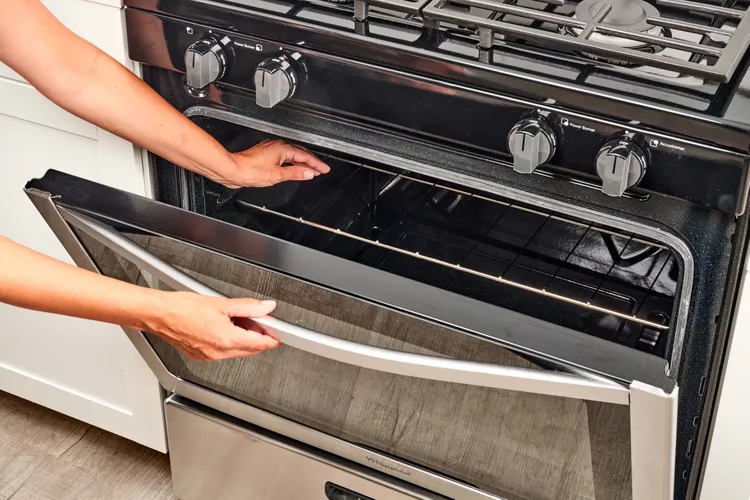
While resetting a breaker or checking a plug is safe for most homeowners, repairs involving heating elements, thermostats, or control boards require expertise. Attempting these fixes without training risks damaging the oven further — or worse, causing electrical hazards.
If your oven isn’t heating and simple checks don’t solve the issue, it’s time to reach out to a trusted service. For urgent electric oven repair in New York, you can count on Express Repair NY. Their experienced team handles everything from faulty elements to electronic failures, restoring appliances quickly and safely.
Maintenance Tips to Prevent Heating Problems
To reduce the likelihood of oven breakdowns:
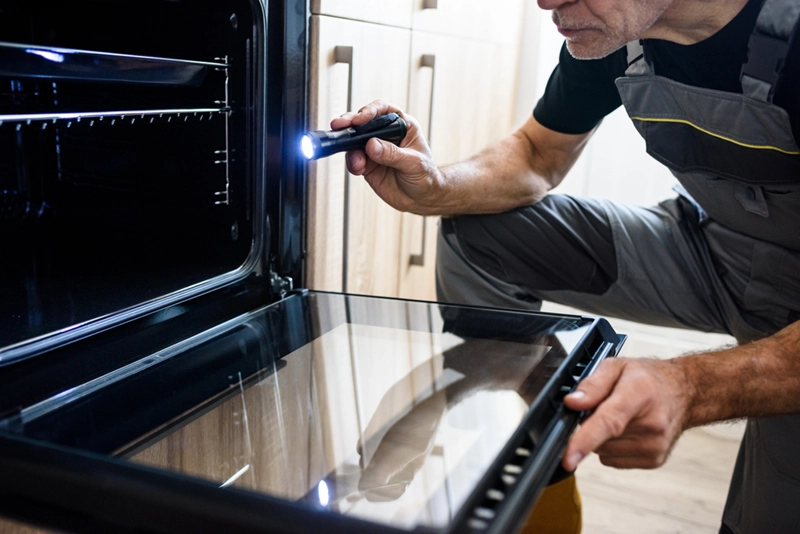
- Clean the oven interior regularly to prevent buildup that can affect performance.
- Avoid pulling or slamming the oven door, which can disturb internal sensors.
- Schedule periodic appliance check-ups, especially if your oven is older than five years.
Final Thoughts
When an oven refuses to heat, it’s usually due to power supply issues, faulty heating elements, or a broken sensor or control board. While a few checks are simple to do at home, most repairs are best left to professionals.
If you’re in New York and your oven needs expert attention, don’t wait — reach out to reliable oven repair specialists to get your appliance working again. With the right fix, you’ll have your oven heating properly and your cooking routine back on track.