

- Quick Answer
- Quick Overflow Diagnosis
- Most Common Causes
- Float Switch Problems
- Water Inlet Valve Failure
- Drainage Problems
- Step-by-Step Troubleshooting
- Overflow Prevention Tips
- Frequently Asked Questions
- Professional Dishwasher Repair
Quick Answer
If your dishwasher is overflowing, the most common causes are a stuck float switch, faulty water inlet valve, blocked drain system, clogged air gap, or excessive detergent use. Addressing the problem quickly can prevent serious water damage to floors and cabinets.
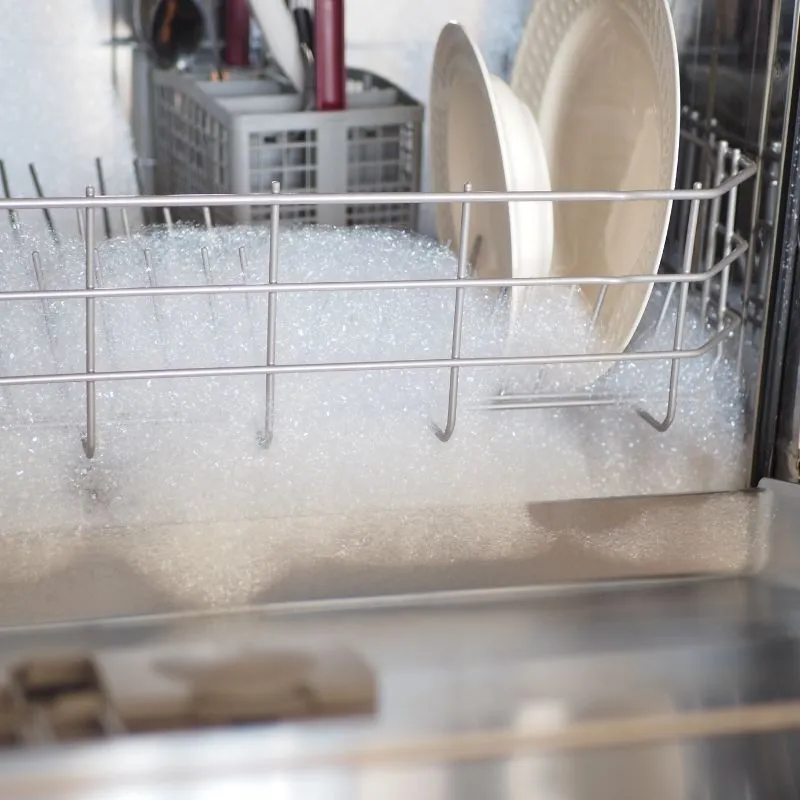




A dishwasher overflowing with water is one of the most stressful appliance problems homeowners face. Water spilling onto the kitchen floor can damage cabinetry, flooring, and nearby electrical components.
Fortunately, most dishwasher overflow problems can be diagnosed and repaired before major damage occurs.
Technician Insight
The majority of overflowing dishwasher service calls are caused by a failed float switch, restricted drainage system, or defective water inlet valve.
The majority of overflowing dishwasher service calls are caused by a failed float switch, restricted drainage system, or defective water inlet valve.
Quick Overflow Diagnosis
| Symptom | Most Likely Cause | Repair Difficulty |
|---|---|---|
| Water level too high | Float switch failure | Moderate |
| Dishwasher keeps filling | Faulty inlet valve | Moderate |
| Overflow during drain cycle | Blocked drain hose | Easy |
| Water backing into dishwasher | Drain blockage | Easy |
| Soap and water overflowing | Too much detergent | Very easy |
Most Common Causes
- Faulty float switch
- Defective water inlet valve
- Dishwasher overfilling with water
- Blocked drain hose
- Clogged filter system
- Air gap obstruction
- Excessive detergent use
- Electronic control problems
Float Switch Problems
The float switch monitors water levels inside the dishwasher.
When the float becomes stuck or the switch fails:
- The dishwasher may continue filling
- Water levels rise too high
- Water may spill from the door
- Kitchen flooding can occur
A faulty float mechanism is one of the most common reasons a dishwasher overflows.
Water Inlet Valve Failure
The inlet valve controls water entering the appliance.
If the valve sticks open:
- Water continues flowing into the tub
- The dishwasher overfills
- Overflowing may occur even when the unit is off
- Water levels exceed normal operating limits
Drainage Problems
Sometimes the dishwasher is not actually overfilling.
Instead, water cannot leave the appliance because of:
- Clogged drain hose
- Dirty filter system
- Blocked garbage disposal connection
- Drain pump restrictions
This can create the appearance of a dishwasher overflowing during cycle.
Step-by-Step Troubleshooting
Safety First: Turn off power and water supply immediately if the dishwasher begins flooding.
1. Shut Off Water Supply
Prevent further flooding by closing the dishwasher water valve.
2. Inspect the Float
Make sure it moves freely without obstruction.
3. Check the Drain System
Inspect filters, hoses, and drain connections.
4. Test the Water Inlet Valve
Look for continuous water flow when the dishwasher should not be filling.
5. Run a Short Test Cycle
Monitor water levels carefully after cleaning or repairs.
Overflow Prevention Tips
- Clean filters monthly
- Inspect drain hoses regularly
- Use only dishwasher detergent
- Avoid overloading dishes
- Check the float switch annually
- Address drainage issues immediately
Frequently Asked Questions
Why is my dishwasher overflowing with water?
Most often because of a stuck float switch, failed inlet valve, or drainage blockage.
Can a clogged drain cause dishwasher overflow?
Yes. Water may back up and spill from the appliance if it cannot drain properly.
Can too much detergent make a dishwasher overflow?
Yes. Excessive suds can force water and foam out of the dishwasher.
Should I keep using an overflowing dishwasher?
No. Continued operation can cause significant water damage.
Can a bad float switch cause flooding?
Yes. The float switch is designed to prevent overfilling and overflow conditions.
Professional Dishwasher Repair
If your dishwasher continues overflowing after basic troubleshooting, the problem may involve the float switch, inlet valve, drain system, or electronic controls.
Professional diagnosis can quickly identify the cause and prevent costly damage to your home.
Maintenance Tip:
Routine cleaning of filters, drain hoses, and float assemblies can prevent many dishwasher overflow problems before they become emergencies.