
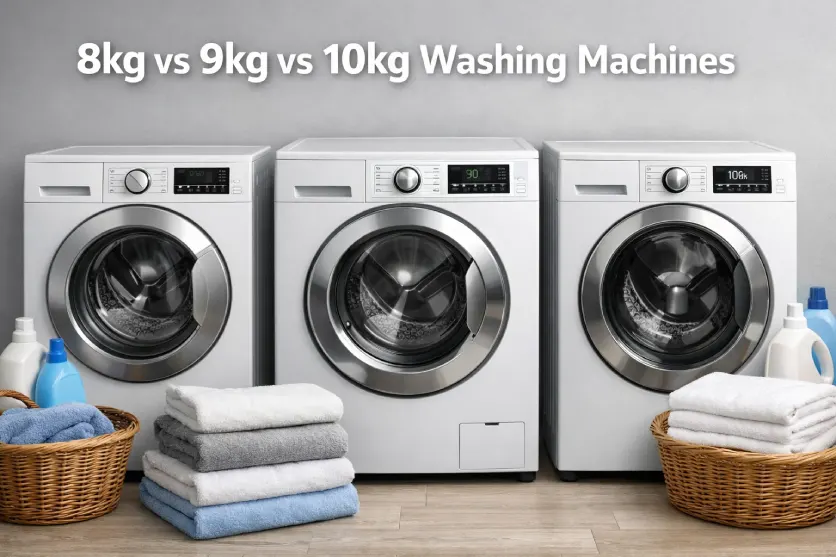
Buying a new washer isn’t just about brand or features — size plays a critical role in performance, efficiency, and long-term reliability. Choosing a washing machine that is too large or too small can lead to daily inconvenience, higher utility bills, and even premature appliance repairs.
This practical washing machine size guide will help you measure correctly, understand drum capacity, and select a washer that matches your household’s real laundry needs.
How to Measure Space for a Washing Machine
Before selecting a washer, you should carefully measure the installation area. Many homeowners underestimate how much clearance a washing machine requires for safe operation and easy maintenance.
Step-by-step measuring checklist
1. Measure installation width, height, and depth
Use a tape measure to check the exact dimensions of the space where the appliance will be installed. Consider:
- Wall protrusions
- Cabinets or shelves
- Plumbing connections
- Power outlets
Write down both minimum and maximum allowable dimensions.
2. Leave clearance for ventilation and vibration
Most washing machines require:
- At least 2–3 cm on each side
- Around 5 cm behind the machine
- Enough front space to fully open the door
Insufficient clearance can cause overheating or excessive noise.
3. Measure access routes
Check doorways, hallways, staircases, and elevator openings. A washer that fits perfectly in the laundry room may still be impossible to deliver inside.
Understanding Washing Machine Drum Size
Drum size refers to the internal volume available for laundry during a wash cycle. It determines how much clothing or bedding you can wash in one load.
Manufacturers typically express capacity in:
- Kilograms (kg)
- Litres
- Cubic feet (mainly in North America)
A larger drum allows for fewer loads per week but may require more water and energy if used inefficiently.
Recommended Washing Machine Size by Household Type
Choosing the correct capacity depends mainly on how many people live in your home and how often you wash bulky items.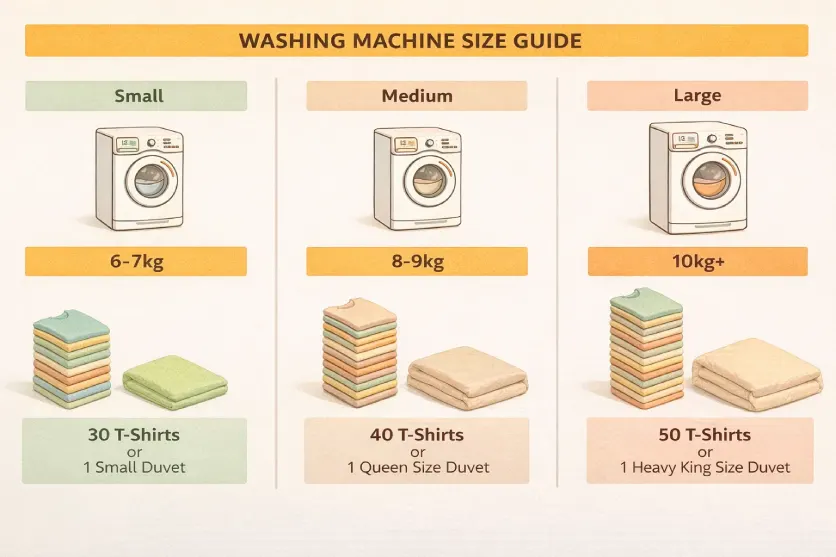
General capacity guidelines
- Small households (1–2 people)
Ideal capacity: 6–7 kg - Medium households (3–4 people)
Ideal capacity: 8–9 kg - Large households (5+ people)
Ideal capacity: 10 kg or more
If you regularly wash duvets, curtains, or sports gear, it’s wise to choose a slightly larger drum.
Washing Load Examples vs Washer Capacity
The table below shows how washing machine size relates to typical laundry loads.
| Drum Capacity | Approximate Load Example | Recommended Household Size |
|---|---|---|
| 5 kg | 20–25 T-shirts | Single user |
| 6 kg | Single duvet or 30 T-shirts | Couple |
| 7 kg | Double duvet or mixed clothing load | Small family |
| 8 kg | Bedding set or 40 T-shirts | Medium family |
| 9 kg | King duvet or towels batch | Large family |
| 10 kg | Heavy bedding or bulk wash day | Large / busy household |
| 11–12 kg | Large textile loads or infrequent washing | Very large household |
Key Factors When Choosing Washing Machine Size
Selecting the right washer capacity is not only about household size. Consider these important usage factors:
Laundry frequency
If you prefer doing fewer loads per week, a larger drum is more convenient.
Fabric types
Bulky items such as blankets or winter clothing require additional drum space to move freely during washing.
Installation constraints
Compact laundry rooms or kitchen installations may limit maximum appliance dimensions.
Energy efficiency habits
Running half-empty large machines can increase water and electricity consumption.
What Happens If a Washing Machine Is Too Large
Oversized washers may seem future-proof, but they can introduce practical challenges.
Common issues include:
- Difficult installation in tight spaces
- Higher running costs for small loads
- Longer cycle durations
- Reduced wash performance if underloaded
- Limited accessibility for cleaning or repairs
Improper placement can also create safety risks such as vibration damage or water hose stress.
Problems Caused by Choosing a Washing Machine That Is Too Small
Undersized appliances often lead to daily frustration and mechanical strain.
Typical drawbacks:
- Frequent washing cycles
- Inability to wash bulky bedding
- Overloading that damages bearings and suspension
- Increased motor wear
- Poor cleaning results due to overcrowded drum
Over time, constant overloading may result in costly component replacements.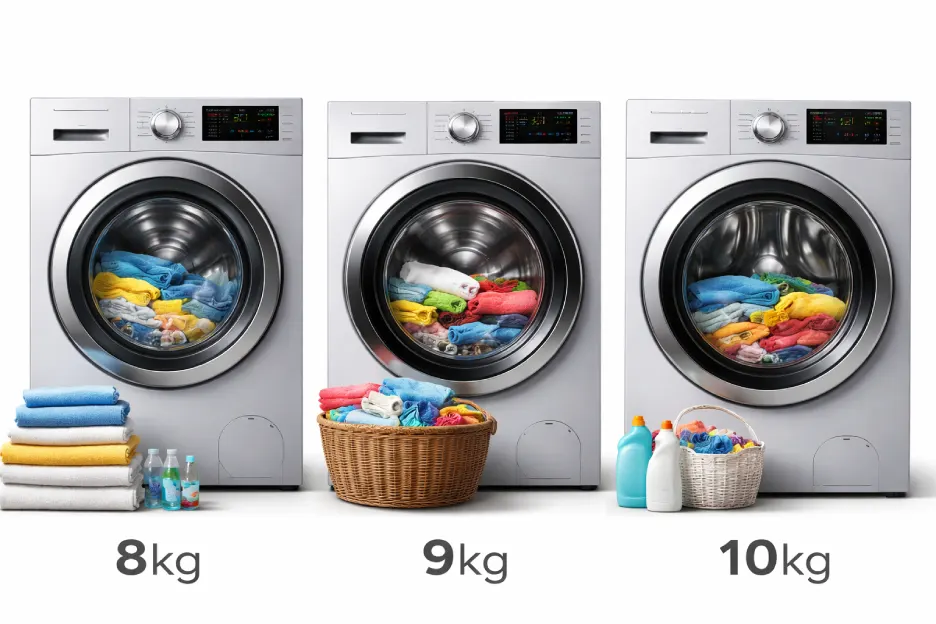
Practical Tips to Get the Best Performance from Your Washer
To extend appliance lifespan and reduce repair risks:
- Avoid exceeding recommended load weight
- Distribute laundry evenly inside the drum
- Clean the filter and detergent drawer regularly
- Run maintenance cycles with hot water
- Ensure the machine is level during installation
These simple habits can significantly improve efficiency and reliability.
When to Consider Professional Installation or Repair
While many setup steps can be done independently, professional assistance is recommended if:
- Water leaks appear after installation
- Washer vibrates excessively despite leveling
- Electrical requirements are unclear
- Error codes persist after load adjustments
Expert diagnostics can prevent more serious issues such as drum or motor failure.
Washing Machine Size Guide — Final Thoughts
Choosing the correct washing machine size is essential for comfort, efficiency, and long-term durability.
A well-matched drum capacity helps you:
- Reduce laundry time
- Lower energy consumption
- Prevent avoidable appliance repairs
- Maintain consistent washing performance
Instead of simply buying the biggest model available, focus on realistic laundry habits and available installation space to make the smartest decision.