
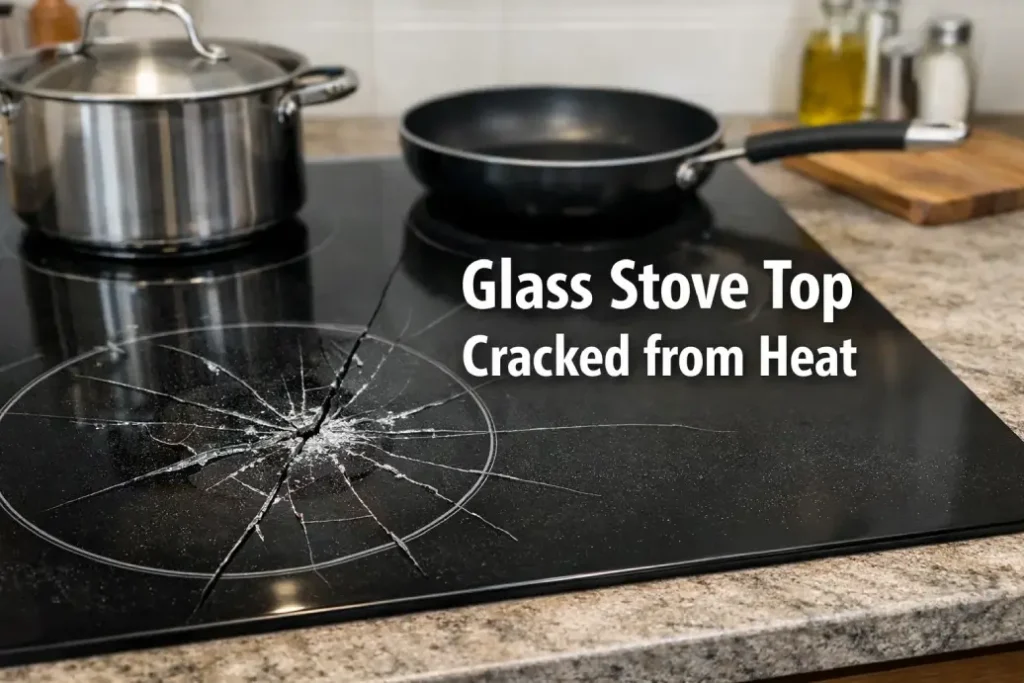
You’re cooking dinner, everything seems fine — and then you notice it: a crack spreading across your cooktop. If your glass stove top cracked from heat, it’s not just a cosmetic issue. It can quickly become a safety hazard.
The good news? Not every crack means you need a full appliance replacement. Below, we’ll break down why this happens, what you can (and can’t) do about it, and when professional repair is the smartest move.
Why Did My Glass Stove Top Crack from Heat?
Modern electric ranges use ceramic glass cooktops designed to handle high temperatures. However, they are not indestructible.
Here are the most common reasons a glass stove top cracked from heat:
1. Thermal Shock
Thermal shock is the #1 cause.
It happens when there’s a sudden temperature change, such as:
- Placing a cold or frozen pan on a hot burner
- Spilling cold liquid on a heated surface
- Turning on high heat under an empty pan
Glass expands when heated and contracts when cooled. Rapid shifts create stress fractures.
2. Overheating or Extended High Heat
If a burner is left on high for a long time — especially under heavy cookware — excessive heat buildup can weaken the surface.
This is more common when:
- The cooktop ventilation is blocked
- Large pots trap heat in one area
- The heating element malfunctions
Over time, heat stress can lead to cracking.
3. Impact Damage That Shows Up Later
Sometimes the crack doesn’t happen immediately.
A heavy pot dropped days or weeks ago may have weakened the glass. Repeated heating then expands the fracture until it becomes visible.If your glass stove top cracked from heat, but you recall an earlier impact, both factors likely contributed.
4. Manufacturing Defects
Although rare, internal stress from the manufacturing process can cause spontaneous cracks when exposed to high temperatures.If your appliance is relatively new, check your warranty coverage before scheduling repair.
Is It Safe to Use a Cracked Glass Cooktop?
Short answer: It depends — but usually no.
Here’s why:
- Cracks can expand rapidly.
- Liquid can seep into internal wiring.
- Electrical short circuits may occur.
- There’s risk of electric shock.
If the crack is:
- Small and surface-level → You may temporarily use unaffected burners.
- Deep, spreading, or through the heating zone → Stop using immediately.
When a glass stove top cracked from heat, continuing to cook on it can worsen the damage and increase repair costs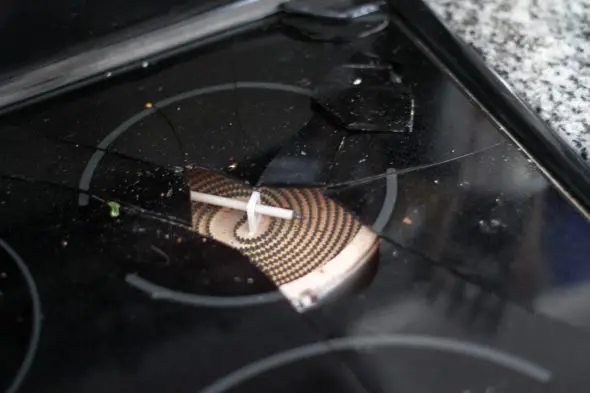 .
.
Can You Fix a Cracked Glass Stove Top Yourself?
Temporary Fixes (Limited Use Only)
There are DIY glass repair kits marketed for cooktops. However:
- They only address minor surface cracks.
- They do NOT restore structural strength.
- They won’t fix deep fractures.
Think of these as cosmetic, not structural repairs.
Full Replacement Is the Real Solution
Unfortunately, when a glass stove top cracked from heat, the only permanent solution is replacing the glass panel.
This involves:
- Disconnecting power.
- Removing the cooktop assembly.
- Transferring heating elements.
- Installing a new glass panel.
While technically possible for experienced DIYers, it requires precision and safe handling of electrical components.
How Much Does It Cost to Replace a Glass Cooktop?
Costs vary based on:
- Brand and model
- Size of the cooktop
- Availability of replacement parts
- Labor rates in your area
Typically, replacing just the glass surface is far cheaper than buying a new range. However, if the unit is older, replacement might make more financial sense.
A professional technician can assess whether repair or replacement is more cost-effective.
Step-by-Step: What To Do If Your Glass Stove Top Cracked from Heat
If you notice a crack: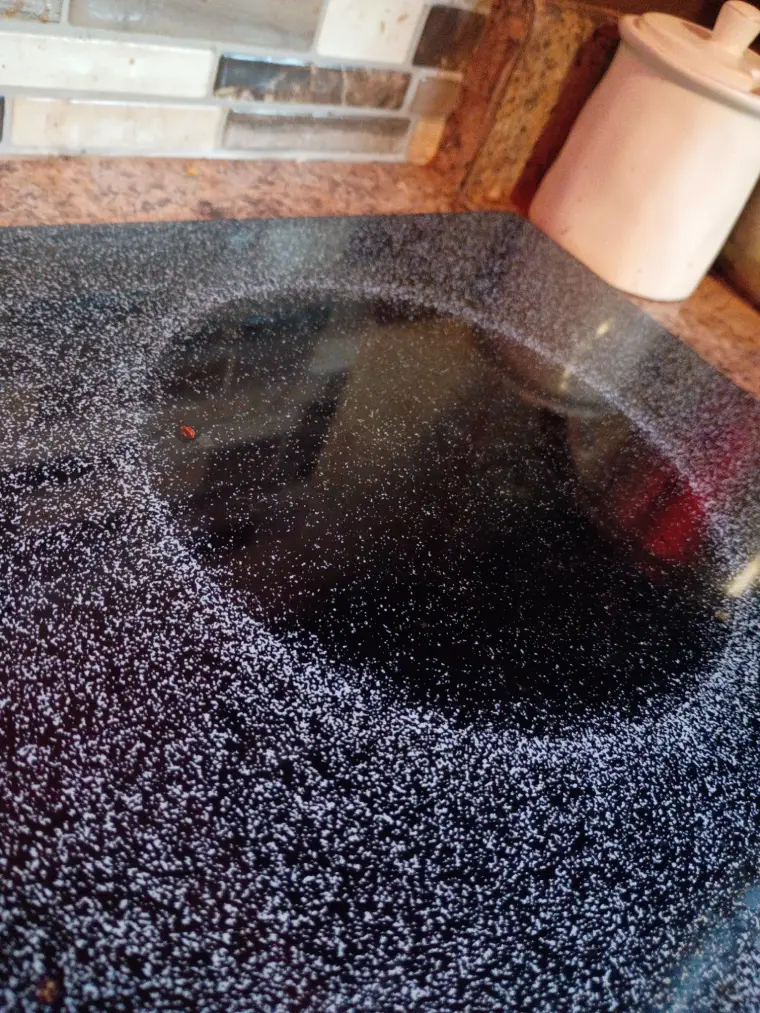
- Turn off the stove immediately.
- Allow it to cool completely.
- Unplug the appliance or shut off the breaker.
- Inspect the crack — note length and depth.
- Avoid cleaning products that could seep inside.
- Schedule a professional evaluation if the crack is significant.
Acting quickly prevents electrical damage and further spreading.
How to Prevent Future Cracks
Prevention is all about heat control and handling.
Avoid Thermal Shock
- Never place frozen cookware on a hot surface.
- Don’t pour cold water onto a hot cooktop.
- Preheat gradually instead of max heat immediately.
Use Proper Cookware
- Flat-bottomed pans distribute heat evenly.
- Avoid cast iron slamming onto the surface.
- Lift — don’t slide — heavy pots.
Keep the Surface Clean
Burned-on residue can create hot spots that increase stress on the glass.
When to Call a Professional Appliance Repair Service
You should book service if:
- The crack runs across a burner.
- You see internal wiring exposed.
- The cooktop stops heating evenly.
- The unit trips the breaker.
- You’re unsure how deep the crack is.
Because a glass stove top cracked from heat can pose electrical risks, professional handling is often the safest and most efficient route.
An experienced technician can:
- Confirm whether replacement is required
- Source the correct glass panel
- Install it safely
- Ensure the heating elements are undamaged
Final Thoughts
If your glass stove top cracked from heat, don’t ignore it. Even small fractures can expand quickly under high temperatures.
While minor surface cracks may look manageable, structural damage usually requires panel replacement. Acting early prevents further damage, protects your kitchen, and may save you from replacing the entire appliance.
When in doubt, a professional inspection is always the safest next step.