

Ever stared at your washing machine settings and wondered what “soil level” actually does? You’re not alone. This small option can make a big difference in how clean your clothes come out — and even how long your washer lasts.
In this guide, you’ll learn what soil level means, how to choose the right setting, and what to do if your washer isn’t responding properly.
What Is Soil Level on a Washing Machine?
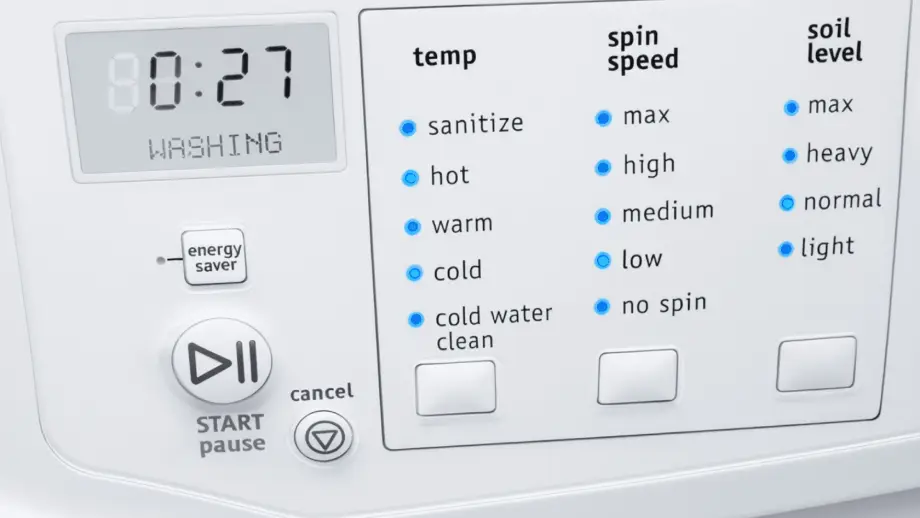 Soil level refers to how dirty your clothes are. Modern washers use this setting to adjust the wash time, agitation intensity, and sometimes water usage.
Instead of using the same wash cycle for everything, the machine optimizes cleaning based on the selected soil level.
Typical soil level options include:
- Light
- Normal
- Heavy
Choosing the right level helps remove stains effectively while protecting fabrics from unnecessary wear.
How Soil Level Settings Affect Washing Performance
Different soil levels change how your washer operates behind the scenes. Here’s what usually happens:
| Soil Level | Wash Time | Agitation Strength | Best For |
|---|---|---|---|
| Light | Short | Gentle | Slightly worn clothes, office wear |
| Normal | Standard | Moderate | Everyday laundry |
| Heavy | Long | Strong | Muddy clothes, sportswear, towels |
If your clothes still look dirty after washing, increasing the soil level may solve the problem without changing the entire cycle.
When Should You Use Each Soil Level?
Use Light Soil Level When
- Clothes are worn briefly
- No visible stains
- Delicate fabrics need protection
Use Normal Soil Level When
- Washing daily outfits
- Mixed loads with moderate dirt
- Standard household laundry
Use Heavy Soil Level When
- Removing tough stains
- Washing kids’ or outdoor clothes
- Cleaning heavily used linens
Using heavy soil unnecessarily can lead to longer cycles and increased energy consumption.
Common Problems Related to Soil Level Settings
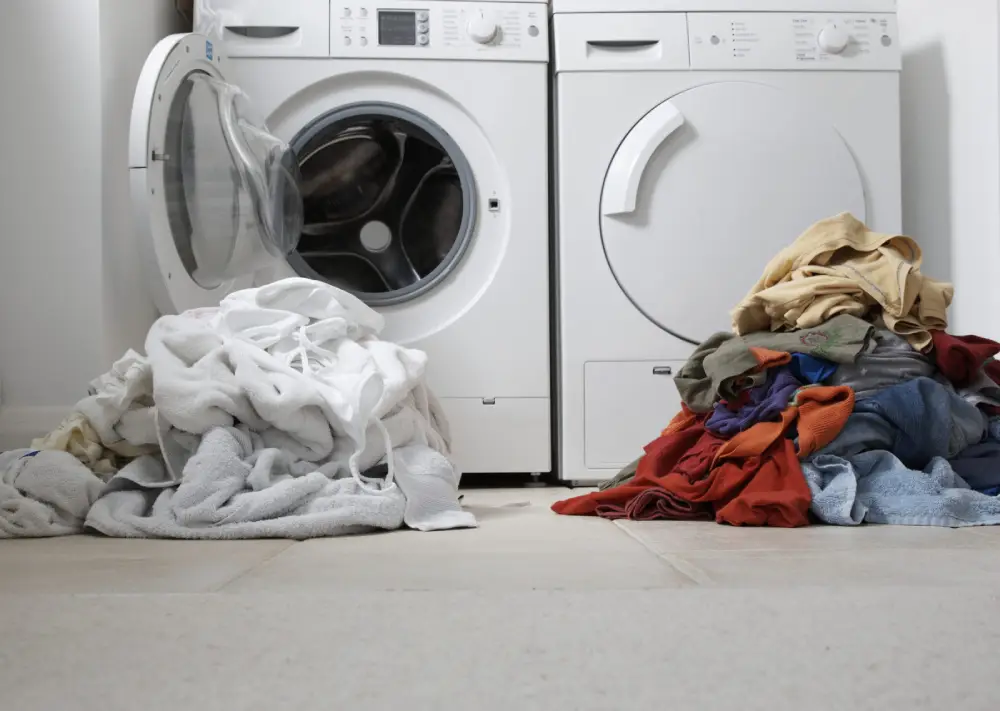 Sometimes washers don’t respond correctly to soil level selection. You might notice:
- Cycle time doesn’t change
- Clothes remain dirty after heavy setting
- Washer becomes unusually loud
- Control panel doesn’t register input
These issues can be caused by:
- Faulty control board
- Worn drive components
- Sensor or software malfunction
Simple Troubleshooting Steps You Can Try
Before calling a technician, try these quick fixes:
- Restart the washer — unplug for 5 minutes.
- Check load size — overloading reduces cleaning efficiency.
- Use proper detergent amount — too much can affect sensors.
- Run a cleaning cycle — buildup may impact performance.
If soil level still doesn’t affect wash behavior, professional diagnosis is usually the safest option.
When to Book Appliance Repair Service
You should consider scheduling repair if:
- Washer ignores multiple settings
- Cycles stop mid-wash
- Burning smell or grinding noise appears
- Error codes show on display
Modern washing machines rely heavily on electronics. A trained technician can quickly test components and prevent more expensive damage.
Final Thoughts
The soil level setting is more than just an extra button — it’s a smart way to customize cleaning power. By understanding how it works, you can improve laundry results, save energy, and extend your washer’s lifespan.
And if adjustments don’t help, timely professional service can keep your appliance running smoothly for years.