

You open the washer and see thick foam filling the drum — sometimes even pushing against the door glass. It may seem harmless, but too much foam in washing machine is a warning sign. If ignored, it can lead to drainage issues, poor washing results, and even internal damage.
Here’s exactly what to do and how to prevent it from happening again.
Why There Is Too Much Foam in Washing Machine
Modern washing machines are designed to work with minimal water. When the detergent balance is off, excess suds appear quickly.
Using the Wrong Detergent
High-efficiency washers require HE detergent. Regular detergent creates significantly more bubbles. One of the most common causes of too much foam in washing machine is simply using a standard detergent instead of a high-efficiency formula.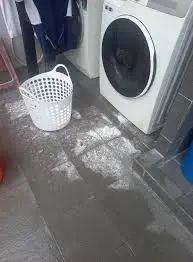
Adding Too Much Detergent
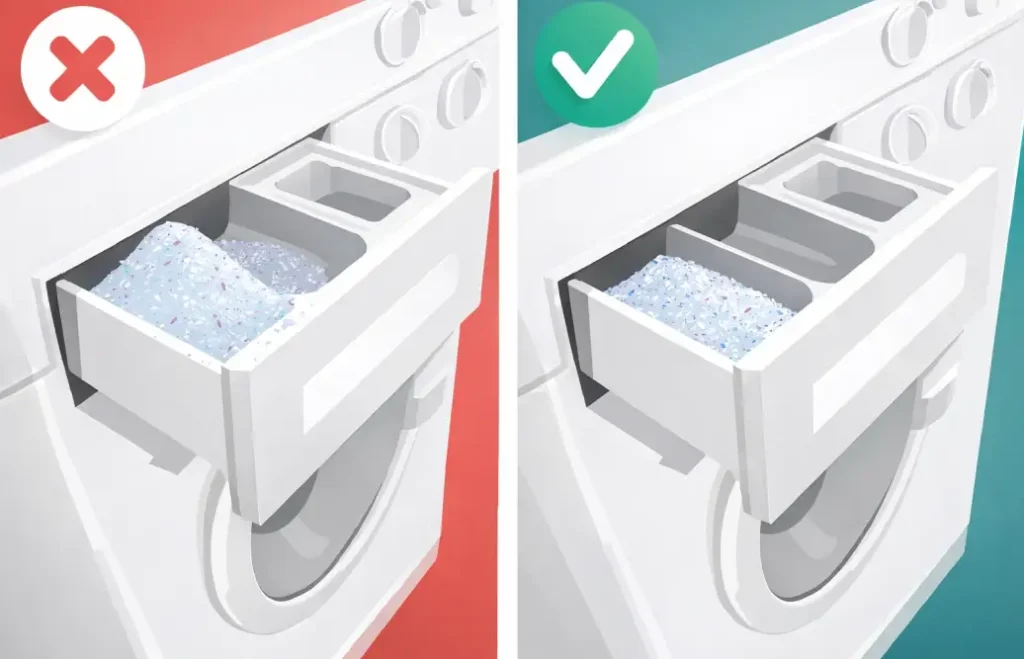
Even the correct detergent can cause problems if overdosed. Concentrated products require smaller amounts than most people expect. In homes with soft water, you may need 25–50% less detergent. Otherwise, too much foam in washing machine during the wash cycle becomes unavoidable.
Detergent Residue Build-Up
Over time, leftover detergent accumulates inside the drum, hoses, and pump. During the next wash, this residue dissolves and creates unexpected foam — even if you measured correctly.
Too Much Foam in Washing Machine — What to Do Immediately
If your washer is currently full of bubbles, act quickly.
Stop the Cycle
Pause or cancel the wash program to prevent overflow and protect internal components.
Run a Rinse and Spin Cycle
Start one or two rinse cycles without adding detergent. This helps remove excess suds from the system. In severe cases of too much foam in washing machine, multiple rinses may be necessary.
Add White Vinegar
Pour half a cup of white vinegar directly into the drum and run a rinse cycle. Vinegar helps neutralize detergent and break down foam safely.
Clean the Drain Filter
Turn off the machine, locate the drain filter (usually behind a lower front panel), and remove debris. A partially clogged filter can worsen the problem and make too much foam in washing machine happen repeatedly.
How Excess Foam Affects Your Washer
Oversudsing is not just cosmetic. It can lead to: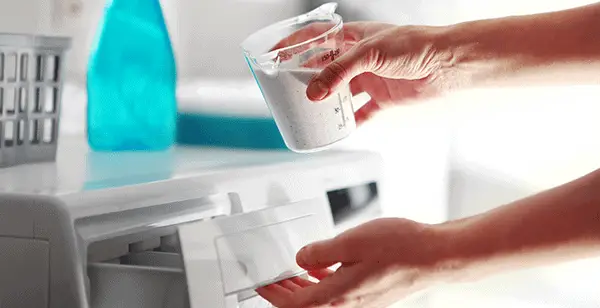
- Poor rinsing (clothes feel sticky or stiff)
- Extended cycle times
- Drainage problems
- Pump overload
- Foam or “Sud” error codes
If too much foam in washing machine keeps triggering error messages, the issue may go beyond detergent use.
How to Prevent Too Much Foam in Washing Machine
Prevention is simple if you follow consistent habits.
Measure Precisely
Always use the measuring cap and adjust based on load size, soil level, and water hardness.
Use HE Detergent Only
Check the label carefully. High-efficiency detergent produces fewer suds and is essential for modern machines.
Run Monthly Maintenance Washes
An empty hot cycle with washing machine cleaner or white vinegar removes residue and prevents hidden build-up that causes too much foam in washing machine later.
Avoid Mixing Detergent Types
Switching between powder, liquid, and pods can create inconsistent residue inside the system.
When It’s Time to Call a Professional
If you’ve adjusted detergent use but too much foam in washing machine continues, there may be:
- A faulty pressure switch
- A malfunctioning water level sensor
- A clogged or failing drain pump
- Control board issues
Repeated oversudsing can shorten the lifespan of your appliance. If the washer stops mid-cycle, leaks, or makes unusual noises, professional diagnostics are the safest solution.
Final Thoughts
In most cases, too much foam in washing machine is caused by overdosing detergent or using the wrong type. A few rinse cycles and better measuring habits usually solve the issue.
However, if the problem persists despite correct usage, it’s best not to ignore it. Early repair can prevent expensive damage and extend the life of your washing machine.