

When your stove can’t maintain the right heat, cooking turns into guesswork. Food burns on the outside, stays raw inside, or takes twice as long to cook. Stove temperature regulation issues are more common than most homeowners realize — and in many cases, they can be diagnosed without special tools.
This guide breaks down the most frequent causes, step-by-step troubleshooting, and when professional stove repair becomes the smarter option.
Common Signs of Stove Temperature Regulation Issues
Before jumping into repairs, confirm the symptoms. Typical indicators include:
- Oven overheating or underheating
- Inconsistent cooking results
- Burner temperature fluctuating randomly
- Stove not reaching set temperature
- Temperature dropping during cooking cycles

If you’re noticing more than one of these problems, you’re likely dealing with temperature control malfunction.
What Causes Stove Temperature Problems?
Understanding the root of stove temperature regulation issues helps you avoid unnecessary part replacements. Below are the most common culprits.
1. Faulty Temperature Sensor
The temperature sensor monitors internal heat and signals the control board to adjust output. If it fails, the oven temperature sensor sends incorrect readings, causing overheating or insufficient heating.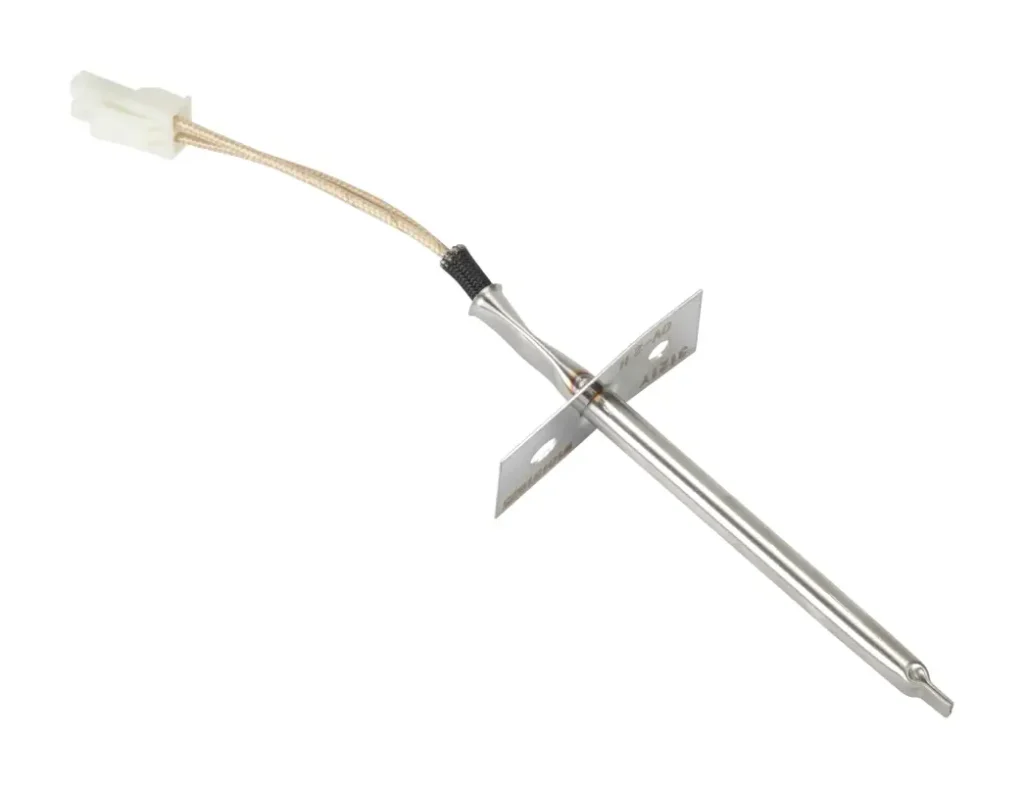
Quick test:
- Turn off power.
- Locate the sensor inside the oven (usually rear wall).
- Use a multimeter — typical resistance is around 1100 ohms at room temperature.
If readings are far off, replacement is necessary.
2. Malfunctioning Thermostat
In older models, a mechanical thermostat regulates heat. A worn-out thermostat often leads to stove overheating or uneven temperature control.
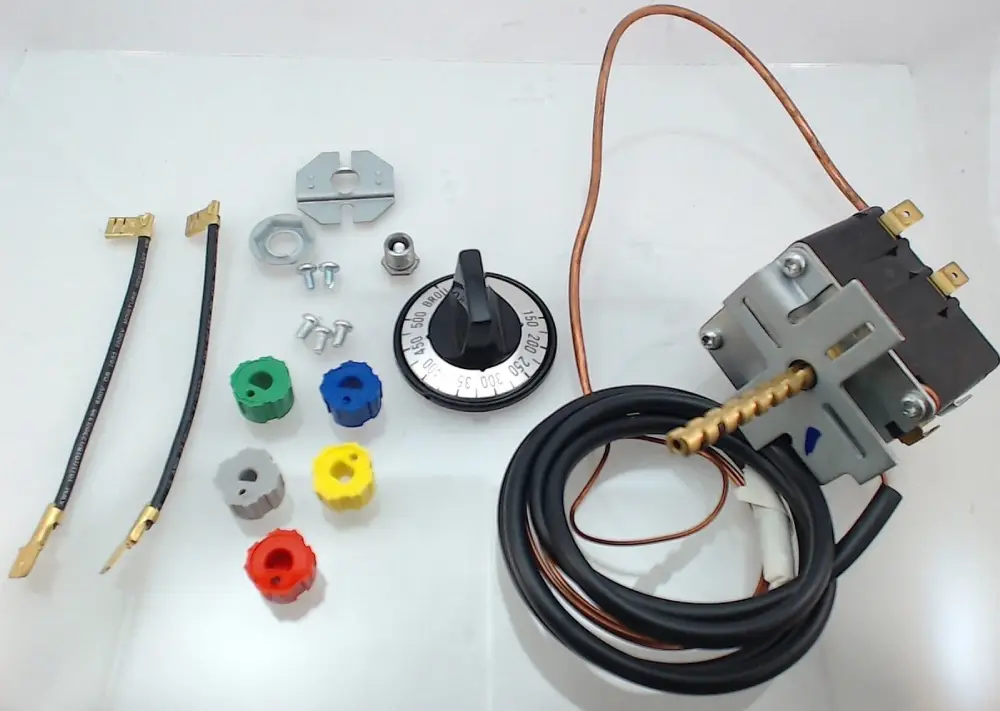 Common signs:
- Clicking sounds without heating
- Large temperature swings
- Oven never reaching set point
Replacing a thermostat requires partial disassembly. If you’re not comfortable handling wiring, consider professional appliance repair.
Discover Solutions for Other Common Stove Issues


3. Defective Control Board
Modern stoves rely on electronic control boards. When they fail, stove temperature regulation issues become unpredictable.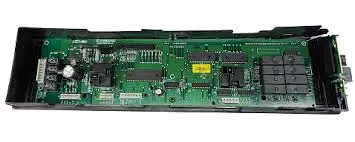
Symptoms of control board failure:
| Symptom | Likely Cause | Difficulty Level |
|---|---|---|
| Random overheating | Relay stuck closed | Advanced |
| No heat at all | Burned circuit | Advanced |
| Temperature fluctuating | Faulty board logic | Advanced |
Control board replacement is typically not DIY-friendly unless you have electrical repair experience.
4. Heating Element Problems
A partially damaged heating element may still glow but fail to maintain steady heat. This is a common reason your stove not reaching set temperature.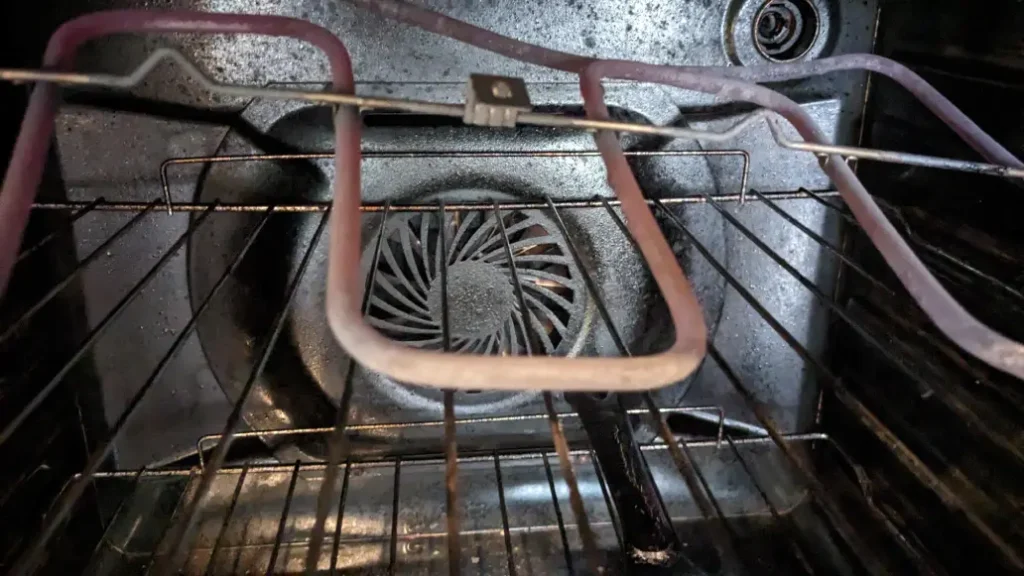
Check for:
- Visible cracks or blistering
- Uneven glowing
- No continuity on multimeter
Heating elements are usually inexpensive and manageable for DIY replacement.
Step-by-Step Troubleshooting Guide
If you’re dealing with stove temperature regulation issues, follow this logical order:
- Verify actual temperature with an oven thermometer.
- Reset the appliance (unplug for 5–10 minutes).
- Inspect the heating element visually.
- Test the temperature sensor resistance.
- Evaluate thermostat or control board if needed.
Skipping diagnostic steps often leads to unnecessary spending.
Gas vs Electric Stove Temperature Issues
| Feature | Gas Stove | Electric Stove |
|---|---|---|
| Common issue | Ignition delay | Burned heating element |
| Regulation method | Gas valve control | Sensor + control board |
| DIY difficulty | Moderate | Moderate to Advanced |
| Risk level | Higher (gas leaks) | Electrical hazards |
Gas models require extra caution. If you smell gas or suspect valve malfunction, stop immediately and contact a professional stove repair technician.
When to Call for Professional Stove Repair
Some stove temperature regulation issues can escalate quickly. Seek professional appliance repair if:
- The control board is suspected
- Wiring appears burned or melted
- Gas valve problems are present
- Repeated DIY attempts fail
A technician can recalibrate, replace components safely, and test the appliance under load conditions.
How to Prevent Future Temperature Control Malfunction
Prevention reduces the likelihood of recurring stove temperature problems:
- Avoid slamming the oven door
- Keep the interior clean (grease affects sensors)
- Do not use foil incorrectly
- Perform annual appliance maintenance
Small habits make a measurable difference in long-term performance.
Final Thoughts
Stove temperature regulation issues don’t automatically mean you need a new appliance. In many cases, replacing a heating element or temperature sensor resolves the problem quickly.
However, if diagnostics point to thermostat failure or control board malfunction, professional stove repair is often safer and more cost-effective in the long run.
If your stove not reaching set temperature continues after basic troubleshooting, booking a certified technician can save time, prevent further damage, and restore reliable cooking performance.