
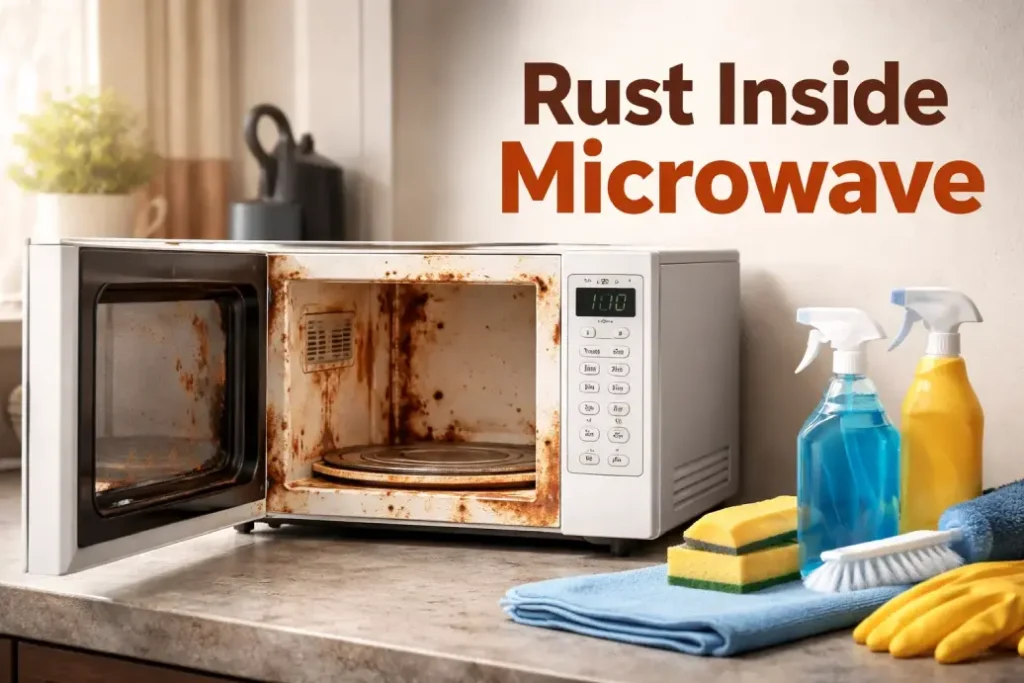
You open your microwave to heat dinner — and suddenly notice brown spots, peeling paint, or rough rusty patches inside.
Is it still safe to use? Can you fix it yourself? Or is it time to call a technician?
This guide explains why rust forms inside a microwave, how serious it is, and what you can realistically do about it.
Why Rust Appears Inside a Microwave
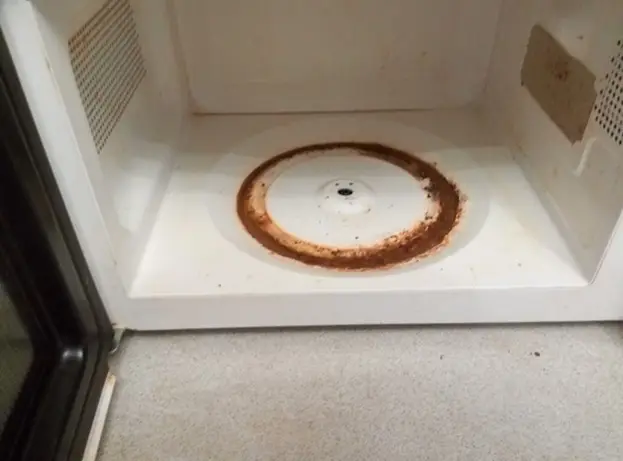 Rust inside a microwave doesn’t happen overnight. It’s usually the result of long-term wear, moisture exposure, or damage to the protective coating.
Common causes include:
- Scratches from metal dishes or harsh cleaning tools
- Food splatters left uncleaned for a long time
- Steam buildup from frequent heating
- Damaged or peeling interior paint
- Age and natural corrosion
Microwave interiors are coated with special heat-resistant enamel. Once this coating is compromised, the metal underneath becomes vulnerable to oxidation — which leads to rust.
Is Rust Inside a Microwave Dangerous?
In many cases, small surface rust is not immediately dangerous, but it can become a serious issue if ignored.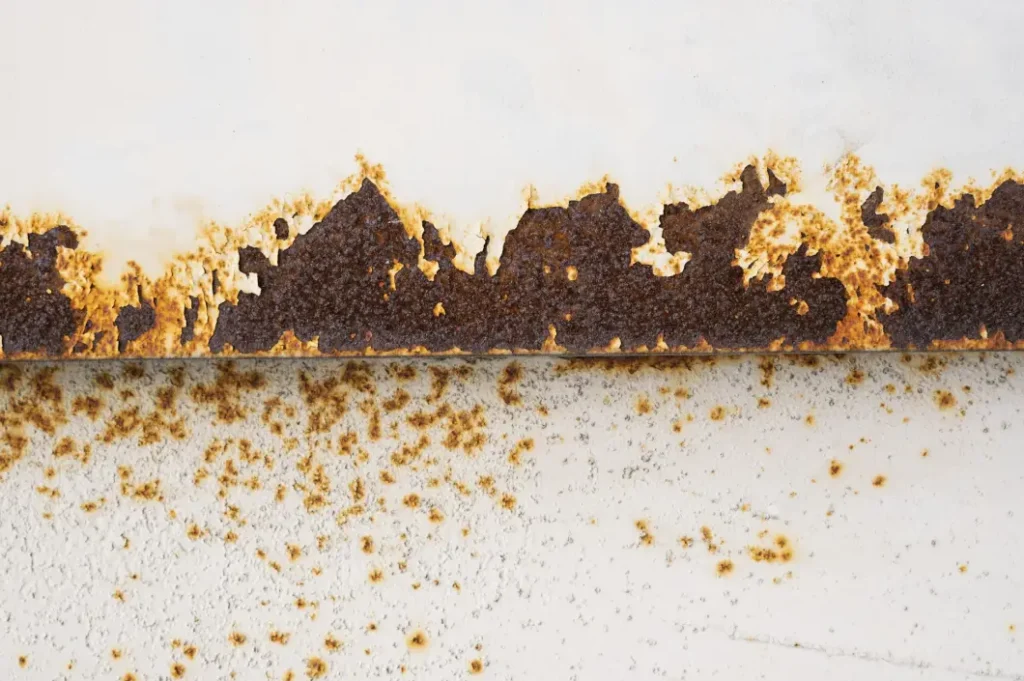
Here’s what rust can lead to:
- Electrical arcing (sparks during operation)
- Uneven heating performance
- Further coating deterioration
- Exposure of internal metal components
- Shortened appliance lifespan
If rust reaches deeper structural areas or appears near critical components like the waveguide cover, the microwave may become unsafe to use.
Signs You Should Stop Using the Microwave
Pay attention to these warning signals:
- Sparks or popping sounds during heating
- Strong burning smell
- Large peeling paint areas
- Deep or spreading rust patches
- Microwave not heating food properly
If you notice any of these, stop using the appliance immediately until it is inspected.
How to Fix Minor Rust Inside a Microwave (DIY Method)
If the rust is small and superficial, you may be able to repair it yourself.
Step-by-Step Fix
- Unplug the microwave — safety first.
- Lightly sand the rusted area using fine sandpaper.
- Clean the surface with a damp cloth and let it dry fully.
- Apply microwave-safe cavity paint.
- Allow proper drying time before using the appliance again.
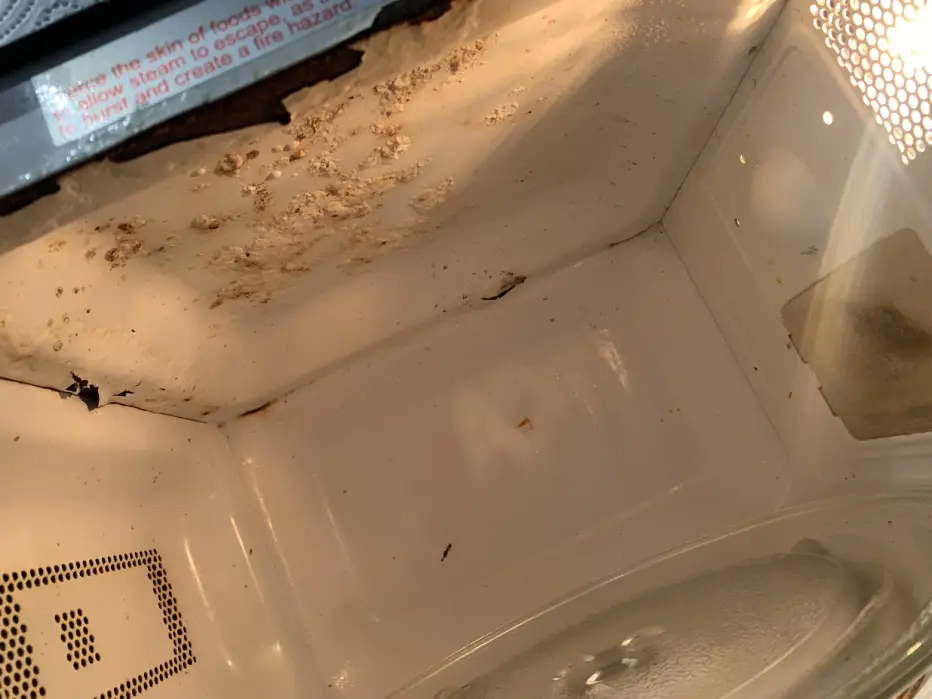 Never use regular paint — only paint specifically designed for microwave interiors.
When Professional Repair Is the Better Option
DIY repair works only for cosmetic damage. You should consider professional service if:
- Rust covers a large area
- Metal underneath is exposed
- There are operational issues
- The microwave is built-in or expensive
- The waveguide cover is damaged
A technician can safely assess internal components and determine whether repair or replacement is more cost-effective.
Rust Severity Guide
| Rust Condition | Risk Level | Recommended Action |
|---|---|---|
| Small surface spots | Low | DIY sanding and repainting |
| Peeling paint with visible rust | Medium | Monitor or schedule inspection |
| Deep corrosion or holes | High | Stop using and call technician |
| Sparking during operation | Critical | Immediate professional repair |
How to Prevent Rust in the Future
Prevention is simple — and can add years to your microwave’s life.
- Wipe moisture and food splatters after use
- Avoid metal utensils or abrasive cleaners
- Heat food with a microwave cover
- Leave the door open briefly after cooking to release steam
- Inspect interior coating regularly
Final Thoughts
Rust inside a microwave is not always a reason to panic, but it should never be ignored.
Small cosmetic damage can often be repaired at home, while deeper corrosion requires expert attention.
If you’re unsure about the severity, scheduling a professional inspection can save you from safety risks and costly appliance replacement later.