


Content:
- Quick Answer
- Why a Dryer Won’t Start
- Safety First
- Tools You’ll Need
- How the Dryer Start Circuit Works
- Power Supply Problems
- Check Dryer Settings First
- Door Switch Problems
- Thermal Fuse Failure
- Broken Belt & Belt Switch
- Motor & Blower Problems
- Control Board & Timer Issues
- Gas vs Electric Dryer Differences
- Why Vent Blockages Matter
- Quick Diagnosis Table
- When to Call a Professional
- Preventive Maintenance Tips
- Frequently Asked Questions
- Final Thoughts
Quick Answer
A dryer that will not start is usually caused by power supply problems, a blown thermal fuse, faulty door switch, broken belt switch, defective start button, failed motor, or control board issues.
Many dryer startup problems can be diagnosed safely at home using simple checks before replacing expensive parts.
This article was reviewed by experienced dryer repair specialists servicing Whirlpool, Samsung, LG, GE, Maytag, Bosch, Frigidaire, Electrolux, and Speed Queen dryers throughout New York City.
Why a Dryer Won’t Start
When a dryer refuses to start, the problem is usually one failed link in the startup safety chain:
Power → Safety Switches → Start Command → Motor
Modern dryers contain several safety systems designed to prevent overheating, electrical hazards, or drum operation with the door open.
| Component | Purpose | Common Failure Result |
|---|---|---|
| Door switch | Prevents running with open door | Dryer completely dead |
| Thermal fuse | Protects against overheating | No startup response |
| Belt switch | Detects broken drum belt | Motor disabled |
| Start switch | Activates motor circuit | Button does nothing |
| Drive motor | Rotates drum & blower | Humming or no spin |
Safety First
- Always unplug the dryer before removing panels.
- Gas dryers: shut off the gas valve before inspections.
- Do not touch live terminals unless properly trained.
- If you smell gas, stop immediately and ventilate the room.
- Some motors contain capacitors that may store electrical charge.
Tools You’ll Need
- Flashlight
- Phillips screwdriver
- Flathead screwdriver
- Nut driver set
- Needle-nose pliers
- Vacuum or small brush
- Multimeter with continuity testing
How the Dryer Start Circuit Works
Most dryers follow a simple startup sequence:
- Power reaches the control system
- Door switch confirms door is closed
- Thermal fuse confirms no overheating
- Belt switch confirms drum belt tension
- Start button sends voltage to motor
- Motor begins rotating drum and blower
Power Supply Problems
Power issues are one of the most overlooked causes of dryers not starting.
Electric Dryers
- Usually require 240V power
- Often use a double-pole breaker
- One breaker side can trip while lights still work
Check Dryer Settings First
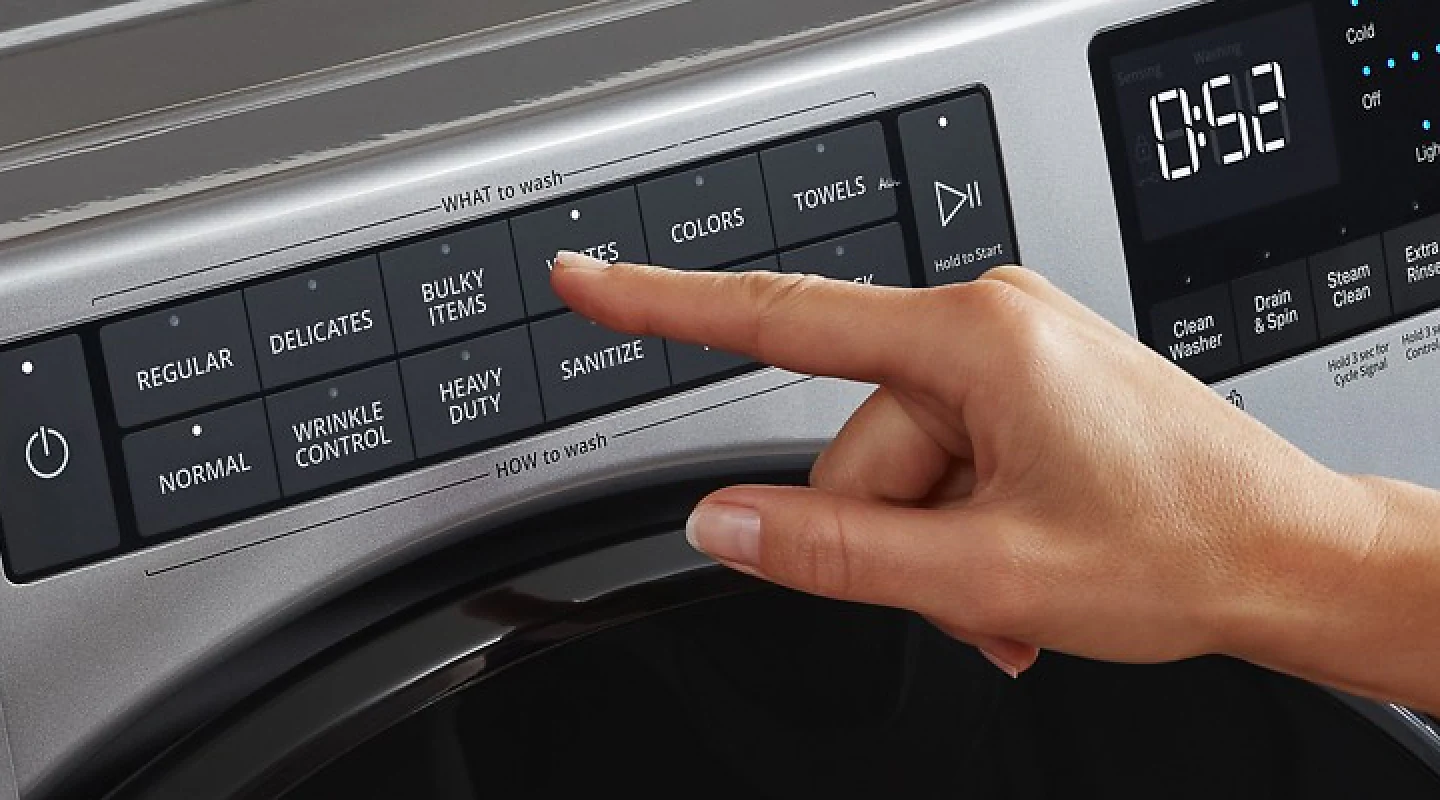
Simple setting mistakes can sometimes mimic serious dryer problems.
- Child lock enabled
- Delay start accidentally activated
- Incorrect cycle selected
- Door not fully latched
Many dryers require pressing and holding certain buttons for several seconds to disable control lock mode.
Door Switch Problems
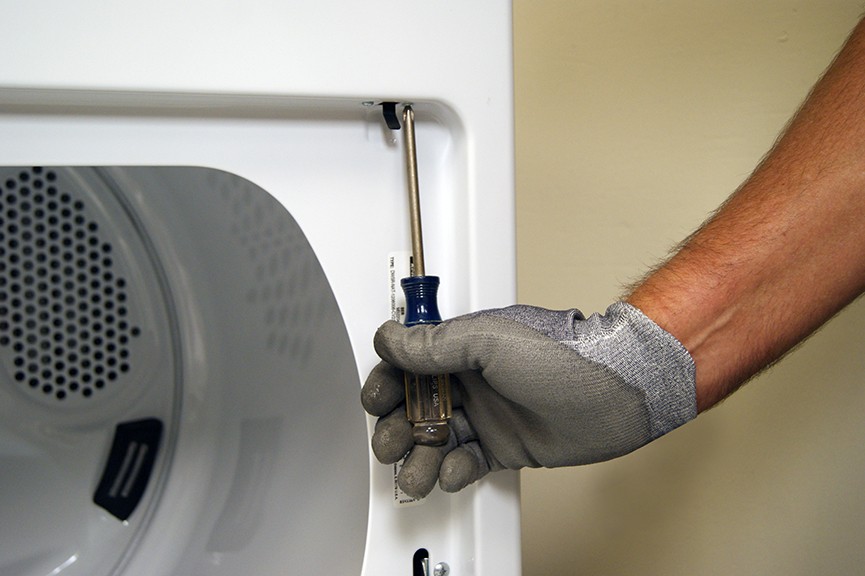
The door switch is one of the most common causes of dryers not starting.
Common Symptoms
- No response when pressing Start
- Interior light behaves strangely
- No clicking sound from switch area
Quick Door Switch Test
- Open and close the dryer door
- Listen for a clicking sound
- Use a multimeter to test continuity
A faulty door switch usually requires replacement rather than repair.
Thermal Fuse Failure
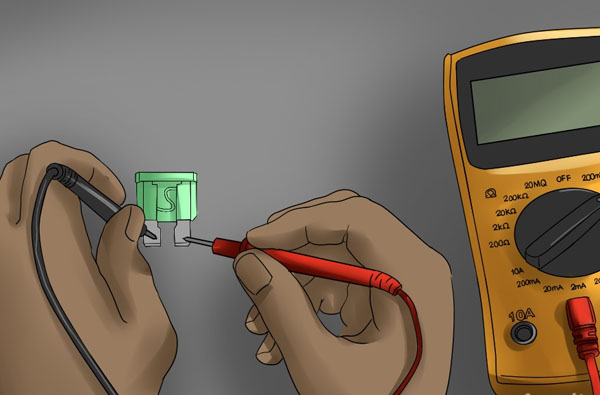
A blown thermal fuse is another extremely common reason dryers suddenly stop starting.
The thermal fuse protects the dryer from dangerous overheating.
Why Thermal Fuses Blow
- Clogged dryer vent
- Lint buildup
- Blocked airflow
- Overheated blower housing
Important: Replacing the fuse without fixing airflow restrictions often causes the new fuse to fail again quickly.
Broken Belt & Belt Switch
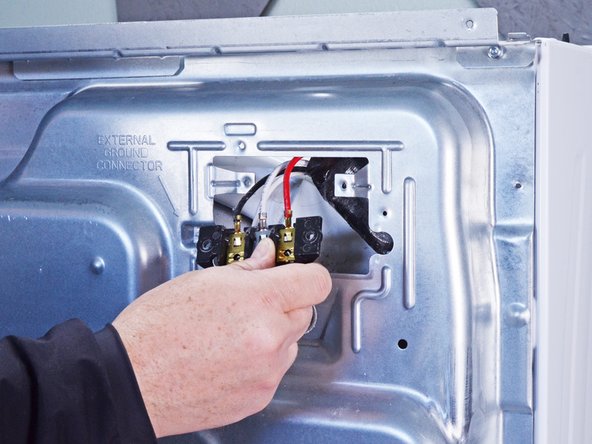
Many modern dryers include a belt safety switch that disables the motor if the drum belt breaks.
Common Signs
- Drum spins too freely by hand
- Motor hums but drum will not rotate
- No drum resistance
Broken belts are especially common in older dryers or overloaded machines.
Motor & Blower Problems
A failing dryer motor often creates distinct symptoms before complete failure.
| Symptom | Possible Cause |
|---|---|
| Humming noise | Motor seized or weak |
| Burning smell | Overheated motor windings |
| Slow drum movement | Worn motor bearings |
| No airflow | Blower wheel obstruction |
Control Board & Timer Issues
If all switches and safety devices test properly, the problem may involve the control system itself.
- Failed relay
- Burnt control board components
- Defective timer contacts
- Damaged wiring
Gas vs Electric Dryer Differences
| Dryer Type | Startup Differences |
|---|---|
| Electric dryer | Requires 240V power supply |
| Gas dryer | Uses gas for heat but same motor safety chain |
Why Vent Blockages Matter
Restricted airflow is responsible for many dryer failures — especially blown thermal fuses.
- Lint filter housing
- Dryer blower wheel
- Flexible vent hose
- Exterior vent flap
- Long vent runs with multiple elbows
Quick Diagnosis Table
| Symptoms | Most Likely Cause |
|---|---|
| Completely dead | Power supply or breaker |
| Lights on but no start | Door switch or thermal fuse |
| Click but no drum movement | Belt switch or control relay |
| Humming noise | Motor or blower obstruction |
When to Call a Professional
- You smell burning wires
- The breaker repeatedly trips
- You smell gas
- The motor requires replacement
- Live-voltage testing is required
Schedule professional dryer repair in New York
Why Homeowners Choose Express Repair NY
- Same-day dryer repair service
- Repairs for gas and electric dryers
- Professional vent inspections
- Experienced technicians for all major brands
Preventive Maintenance Tips
- Clean the lint filter after every load
- Deep-clean vents every 6–12 months
- Avoid overloading heavy wet items
- Keep the dryer level
- Inspect vent hoses regularly
Frequently Asked Questions
Why does my dryer have power but won’t start?
This usually indicates a failed door switch, blown thermal fuse, broken belt switch, or control issue.
Can a clogged vent stop a dryer from starting?
Yes. Severe airflow restriction can overheat the dryer and blow the thermal fuse.
Why does my dryer hum but not spin?
A humming dryer often indicates a seized motor, jammed blower wheel, or broken drum belt.
How do I know if my dryer thermal fuse is blown?
A blown thermal fuse will fail continuity testing with a multimeter and often causes the dryer to appear completely dead.
Final Thoughts
A dryer that refuses to start is usually caused by a failed safety component, airflow problem, power issue, or motor failure rather than catastrophic appliance damage.
Many dryer startup issues can be diagnosed safely at home by checking breakers, switches, airflow, belts, and thermal fuses before replacing expensive components.
Annual dryer vent cleaning and regular lint removal help prevent overheating, thermal fuse failures, and premature dryer motor damage.