

How to Prevent Mold in a Front-Load Washer
Table of Contents:
- Quick Answer
- Why Mold Forms in Front-Load Washers
- Common Signs of Washer Mold
- Why Washer Mold Shouldn’t Be Ignored
- Step-by-Step Mold Prevention Guide
- Quick Cleaning & Maintenance Table
- Best Products for Preventing Washer Mold
- Common Mistakes That Cause Mold
- Long-Term Maintenance Tips
- When to Call a Professional
- Frequently Asked Questions
- Final Thoughts
Quick Answer
Front-load washer mold is usually caused by trapped moisture, detergent residue, poor ventilation, and dirty rubber door gaskets. Preventing mold requires regular cleaning, airflow, proper detergent use, and monthly maintenance cycles.
Front-load washing machines are popular because they use less water and clean clothes efficiently. However, their airtight design also creates the perfect environment for mold and mildew growth.
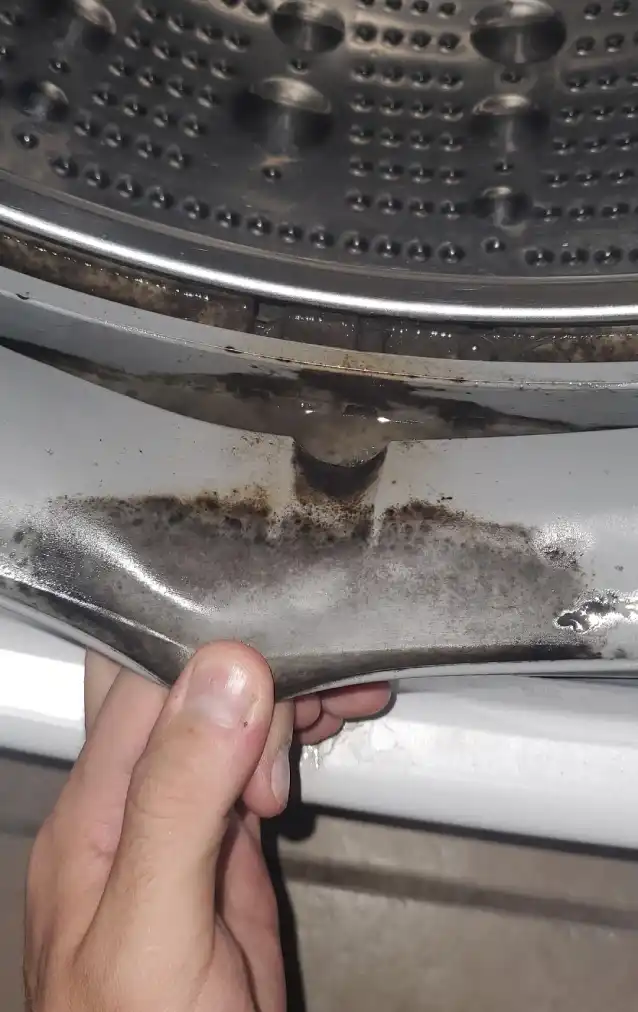
If you’ve ever noticed a musty odor when opening your washer door, visible black spots around the gasket, or clothes smelling unpleasant after washing, mold buildup is likely already developing inside the machine.
This guide was reviewed by experienced washer repair and maintenance specialists servicing LG, Samsung, Whirlpool, GE, Maytag, Bosch, Electrolux, and front-load washing machines throughout New York City.
Why Mold Forms in Front-Load Washers
Front-load washers seal tightly to prevent water leaks. Unfortunately, that same airtight seal traps moisture inside after every wash cycle.
Several factors contribute to mold growth:
- Standing water trapped in door gasket folds
- Soap residue and fabric softener buildup
- Poor airflow inside the washer drum
- High humidity in laundry rooms
- Leaving wet laundry inside too long
- Using excessive detergent
Mold spores thrive in dark, damp environments — making washer gaskets, detergent trays, and filters ideal breeding grounds.
Common Signs of Washer Mold
| Warning Sign | What It Usually Means |
|---|---|
| Musty or sour smell | Mold inside drum or gasket |
| Black spots on gasket | Active mold or mildew growth |
| Dirty detergent drawer | Soap buildup trapping moisture |
| Clothes smell bad after washing | Internal washer contamination |
| Slimy residue inside washer | Moisture and detergent buildup |
Why Washer Mold Shouldn’t Be Ignored
Ignoring mold problems can eventually affect:
- Clothing odor and cleanliness
- Indoor air quality
- Washer efficiency
- Drainage and water flow
- Rubber gasket lifespan
- Internal washer components
Severe mold buildup can also damage rubber seals and contribute to expensive washer repair issues over time.
Step-by-Step Mold Prevention Guide
1. Leave the Washer Door Open
After every load, leave the washer door slightly open to improve airflow and help moisture evaporate naturally.
2. Wipe Down the Rubber Gasket
Use a dry microfiber cloth after washing to remove moisture trapped inside gasket folds.
- Check deep folds carefully
- Remove standing water
- Inspect for residue buildup
3. Clean the Detergent Dispenser Weekly
Soap and fabric softener buildup inside the dispenser drawer creates ideal conditions for mold growth.
Remove and rinse the tray with warm water weekly.
4. Use HE Detergent Properly
Front-load washers require high-efficiency detergent.
Using too much detergent creates excess residue that traps moisture and feeds mold spores.
5. Run Monthly Washer Cleaning Cycles
Run an empty hot-water cycle once a month using:
- White vinegar and baking soda
- Washer cleaning tablets
- Manufacturer-approved cleaning products
6. Clean the Washer Filter
Washer drain filters collect lint, hair, dirt, and standing water.
Cleaning the filter regularly helps reduce odors and moisture buildup.
Quick Cleaning & Maintenance Table
| Maintenance Task | Recommended Frequency | Main Benefit |
|---|---|---|
| Leave washer door open | After every load | Reduces trapped moisture |
| Wipe rubber gasket | After every load | Prevents mold buildup |
| Clean detergent drawer | Weekly | Removes soap residue |
| Run cleaning cycle | Monthly | Kills mold and odors |
| Clean drain filter | Every 1–2 months | Improves drainage |
Best Products for Preventing Washer Mold
| Product Type | Purpose |
|---|---|
| HE detergent | Reduces soap residue |
| Washer cleaning tablets | Kills mold and odors |
| Microfiber cloths | Dries gasket surfaces |
| White vinegar | Natural mold removal |
| Dehumidifier | Reduces laundry room humidity |
Common Mistakes That Cause Mold
- Closing the washer door immediately after use
- Using too much detergent
- Leaving wet laundry inside overnight
- Ignoring dirty gasket folds
- Never cleaning the drain filter
- Skipping monthly maintenance cycles
Long-Term Maintenance Tips
Preventing washer mold is mostly about consistency.
- Dry visible moisture immediately
- Maintain proper laundry room ventilation
- Use correct detergent amounts
- Inspect seals and filters regularly
- Schedule occasional deep cleaning cycles
Technician Insight:
One of the most common causes of persistent front-load washer odor is hidden moisture trapped behind the rubber door gasket.
When to Call a Professional
Professional washer service may be necessary if:
- Mold odor returns quickly after cleaning
- Water remains trapped inside the drum
- Drainage problems develop
- The washer leaks water
- The gasket shows severe mold damage
- You notice standing water after cycles
Professional technicians can inspect hidden drain systems, internal hoses, filters, pumps, and ventilation issues contributing to chronic mold growth.
Frequently Asked Questions
Why do front-load washers get moldy?
Their airtight design traps moisture inside the drum and gasket area after wash cycles.
How often should I clean my front-load washer?
Most washers benefit from a monthly cleaning cycle and regular gasket cleaning after use.
Can mold in a washer damage clothes?
Yes. Mold can leave unpleasant odors and residue on fabrics after washing.
Is vinegar safe for cleaning washing machines?
Yes. White vinegar is commonly used to remove mold, odors, and detergent residue safely.
Should I leave the washer door open?
Absolutely. Airflow is one of the most effective ways to prevent mold growth.
Final Thoughts
Mold in front-load washers is extremely common — but completely preventable with consistent maintenance habits.
Simple steps like leaving the door open, wiping down the gasket, cleaning detergent residue, and running monthly cleaning cycles can dramatically reduce mold growth and unpleasant odors.
Regular maintenance not only keeps your washer fresh but also helps extend the lifespan of internal components and improves overall washing performance.
Maintenance Tip:
Leaving the washer door slightly open after every load is one of the simplest and most effective ways to prevent mold and mildew buildup.