


- Quick Answer
- Dryer Heating Diagnosis Chart
- Most Common Causes
- Airflow Restrictions
- Heating Element Failure
- Thermal Fuse & Thermostat Problems
- Power Supply Issues
- Step-by-Step Troubleshooting
- Frequently Asked Questions
- Professional Dryer Repair
Quick Answer
If your dryer is not heating, the most common causes are restricted airflow, a failed heating element, blown thermal fuse, faulty thermostat, power supply problems, or ignition issues in gas dryers. Many heating problems can be diagnosed without specialized tools.
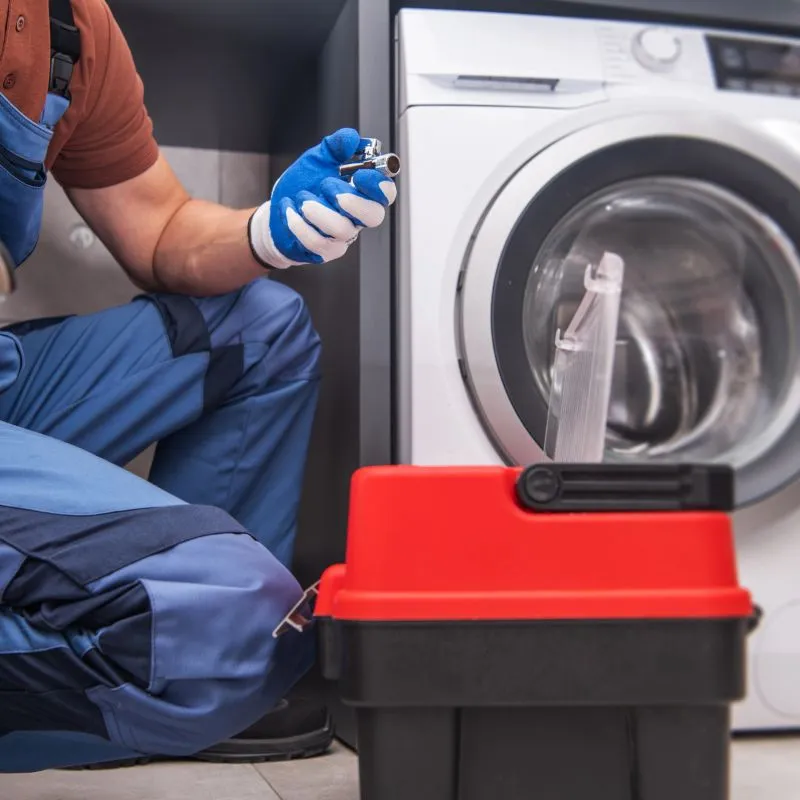




A dryer that tumbles normally but produces no heat can quickly turn laundry day into a frustrating experience. Fortunately, a dryer not getting hot does not always mean the appliance needs replacement.
In many cases, the issue involves airflow restrictions, heating components, or safety devices designed to prevent overheating.
Technician Insight
Restricted airflow is one of the most common reasons dryers stop heating. A clogged vent system can trigger safety components and shut down the heating circuit.
Restricted airflow is one of the most common reasons dryers stop heating. A clogged vent system can trigger safety components and shut down the heating circuit.
Dryer Heating Diagnosis Chart
| Symptom | Likely Cause | Repair Difficulty |
|---|---|---|
| Dryer runs but no heat | Heating element failure | Moderate |
| No heat after overheating | Blown thermal fuse | Moderate |
| Clothes take multiple cycles | Blocked vent system | Easy |
| Dryer tumbles but stays cold | Power supply issue | Moderate |
| Heat comes and goes | Thermostat failure | Moderate |
Most Common Causes
- Clogged dryer vent
- Blocked lint filter
- Failed heating element
- Blown thermal fuse
- Defective thermostat
- Power supply problems
- Gas ignition failure
Airflow Restrictions
A blocked vent system is one of the leading causes of a dryer not heating clothes properly.
Check:
- Lint filter
- Vent hose
- Outside vent flap
- Vent termination cap
Poor airflow can cause overheating and trigger safety devices that disable heating.
Heating Element Failure
A failed heating element is a common reason a dryer won’t heat up.
Typical symptoms include:
- Drum spins normally
- No heat produced
- Long drying times
- Cold clothes after a full cycle
Heating element replacement is often less expensive than many homeowners expect.
Thermal Fuse & Thermostat Problems
Modern dryers contain safety devices that interrupt heating if temperatures become unsafe.
When these components fail:
- Dryer runs without heat
- Heating stops unexpectedly
- Dryer may fail to start
- Cycles become inconsistent
A blown thermal fuse usually indicates a previous overheating event.
Power Supply Issues
Electric dryers require a 240-volt supply.
If one side of the circuit loses power:
- Drum may still rotate
- Heating system stops working
- Dryer appears operational
- No heat is generated
Always inspect breakers before replacing parts.
Step-by-Step Troubleshooting
Safety Reminder: Disconnect power before inspecting internal dryer components.
1. Clean the Lint Filter
Remove lint buildup completely.
2. Check the Vent System
Inspect for blockages or crushed vent hoses.
3. Verify Breaker Operation
Reset any tripped breakers.
4. Test Airflow
Run the dryer briefly with the vent disconnected.
5. Monitor Heating Performance
Determine whether heat is absent entirely or intermittent.
Frequently Asked Questions
Why is my dryer running but not heating?
The most common causes are a failed heating element, thermal fuse, or power supply issue.
Can a clogged vent cause no heat?
Yes. Restricted airflow often triggers overheating protection systems.
Why does my dryer tumble but stay cold?
Electric dryers may lose one side of the 240V supply while the motor continues operating.
How do I know if the heating element is bad?
The dryer runs normally but produces no heat throughout the cycle.
Can I fix a dryer that isn’t heating myself?
Basic airflow and breaker checks are safe, but internal electrical repairs may require professional service.
Professional Dryer Repair
If your dryer still produces no heat after basic troubleshooting, professional diagnostics may be necessary.
Experienced technicians can identify heating element failures, thermostat issues, thermal fuse problems, electrical faults, and airflow restrictions before they lead to more expensive repairs.
Maintenance Tip:
Cleaning the lint filter after every load and inspecting the vent system regularly can prevent many dryer heating problems and improve energy efficiency.
Discover Solutions for Other Common Dryer Issues


4. Power Supply Problems
This is especially common in electric dryers.
If your dryer not getting hot but still tumbling, one breaker might have tripped. Electric dryers use two 120V lines — one powers the motor, the other the heating system.
Check:
- Circuit breakers
- Outlet voltage (if you have a multimeter)
Gas dryers, on the other hand, may have ignition or gas supply issues instead.
When Should You Call a Technician?
You can troubleshoot airflow and breakers yourself. But if the dryer not getting hot after basic checks, and testing components requires disassembly, it might be time for professional diagnostics.
Call for help if:
- You smell burning wires
- The unit trips breakers repeatedly
- You’re not comfortable testing electrical parts
How to Prevent a Dryer Not Getting Hot in the Future
Prevention is simple and saves money:
- Clean the lint trap after every load
- Inspect venting every 3–6 months
- Avoid overloading the drum
- Schedule annual maintenance
Routine airflow maintenance alone prevents most dryer not getting hot problems.
A dryer not getting hot doesn’t automatically mean it’s time for a replacement. In many cases, the fix is minor — clogged vents, a blown fuse, or a heating element swap.
Before you invest in a new appliance, run through the checklist above. A little inspection can save you hundreds — and get your laundry routine back on track fast.