

How to Fix the Spark on a Stove
If your stove suddenly stops sparking, cooking quickly becomes frustrating. The good news is that in many cases the issue is minor and can be fixed without replacing the appliance. Understanding how to fix the spark on a stove can save time, money, and unnecessary service calls.
In this guide, we’ll break down the most common causes of ignition problems, show you how to troubleshoot them safely, and explain when it’s better to call a professional technician.
How a Stove Ignition System Works
Before learning how to fix the spark on a stove, it helps to understand how the ignition system functions.
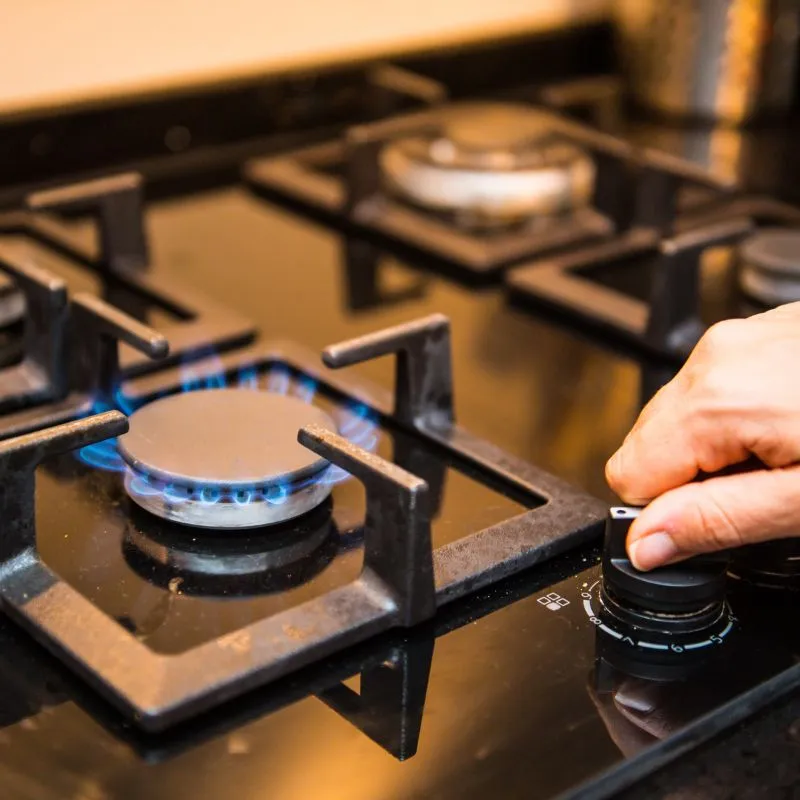
Most modern gas stoves use an electric ignition system. When you turn the knob:
- Electricity flows to the spark module.
- The module sends voltage to the electrode.
- The electrode produces a spark near the burner.
- Gas ignites and the burner lights.



If any part of this chain fails, the spark may become weak, intermittent, or disappear entirely.
Common Signs of Spark Problems
Knowing the symptoms helps identify how to fix the spark on a stove more quickly.
Typical warning signs include:
- No clicking sound when turning the knob
- Continuous clicking even after ignition
- Weak or irregular spark
- Burner lights only with a lighter
- Spark appears but burner does not ignite
Each of these issues may point to a different component in the ignition system.
Safety First Before Repairing a Stove
Before attempting how to fix the spark on a stove, follow basic safety precautions:
- Turn off the gas supply
- Unplug the stove from the electrical outlet
- Allow burners to cool completely
- Work in a well-ventilated area
These simple steps reduce the risk of gas leaks or electrical shock.
Step-by-Step: How to Fix the Spark on a Stove
1. Clean the Burner and Ignition Electrode
Food debris, grease, or moisture often block the spark.
Steps:
- Remove the burner cap and grate.
- Inspect the ignition electrode.
- Clean it using a soft brush or toothpick.
- Dry the area thoroughly.
In many cases, cleaning alone solves the problem when learning how to fix the spark on a stove.
2. Check Burner Alignment
If the burner cap is not seated properly, the spark may not reach the gas.
Make sure:
- The burner cap sits evenly.
- The ignition electrode is close to the burner edge.
- No parts are bent or loose.
Correct alignment is a simple but often overlooked part of how to fix the spark on a stove.
3. Inspect the Ignition Switch
If you hear no clicking sound, the ignition switch may be faulty.
Signs of a bad switch:
- Burners stop sparking completely
- Only some burners spark
- Sparking happens randomly
Switches are usually located behind the control knobs and may require partial disassembly of the stove.
Discover Solutions for Other Common Stove Issues


4. Examine the Spark Electrode
Over time, electrodes can crack, corrode, or accumulate carbon buildup.
If the electrode is damaged:
- The spark becomes weak or inconsistent
- The burner may take several attempts to ignite
Replacing the electrode is often the best solution when addressing how to fix the spark on a stove.
5. Test the Spark Module
The spark module generates the electrical pulses that create ignition.
If the module fails:
- None of the burners spark
- Clicking may stop entirely
Replacing this component usually requires technical knowledge and access to the stove’s internal wiring.
Quick Troubleshooting
| Problem | Possible Cause | How to Fix |
|---|---|---|
| No spark at all | Faulty ignition switch or spark module | Check switches and test module |
| Weak spark | Dirty or damaged electrode | Clean or replace electrode |
| Continuous clicking | Moisture or stuck switch | Dry the area and inspect switches |
| Burner lights only with lighter | Misaligned burner cap | Reposition burner components |
| Only one burner not sparking | Damaged electrode for that burner | Replace individual electrode |
This table summarizes the most common scenarios encountered when diagnosing how to fix the spark on a stove.
When DIY Repair Isn’t Enough
While many homeowners can handle basic troubleshooting, some repairs require professional tools and expertise.
You should consider professional service if:
- The stove still does not spark after cleaning
- Electrical components need replacement
- You smell gas during troubleshooting
- The appliance repeatedly trips the breaker
A qualified technician can safely diagnose wiring issues, replace ignition modules, and ensure the stove operates properly.
Final Thoughts
Learning how to fix the spark on a stove can often resolve ignition problems quickly. Many issues stem from simple causes like grease buildup, moisture, or burner misalignment.
However, if the problem involves electrical components such as the spark module or internal wiring, professional repair is the safest option. Timely maintenance not only restores proper ignition but also extends the life of your stove.
If troubleshooting doesn’t solve the issue, booking a certified appliance repair technician ensures your kitchen remains safe and fully functional.