


Why Is Your Dryer Squeaking?
Dryers have multiple moving parts. When one component wears out, dries up, or shifts out of position, friction increases — and that’s when the squeak starts.
Here are the most common causes:
- Worn drum rollers
- Loose or damaged drive belt
- Failing idler pulley
- Lack of lubrication
- Foreign objects stuck in the drum seal
- Motor bearing issues
Understanding the type and timing of the squeaking noise can help you pinpoint the exact problem faster.
Book Online and Save $25




What the Noise Might Mean
| Noise Type | Possible Cause | DIY Difficulty | Urgency Level |
|---|---|---|---|
| High-pitched squeak | Idler pulley or belt wear | Medium | Moderate |
| Rhythmic squeaking | Drum rollers worn out | Medium | Moderate |
| Loud scraping squeal | Drum seal damage or object stuck | Easy | High |
| Continuous squeal during operation | Motor bearing failure | Hard | High |
| Noise only at start | Belt slipping or pulley dry | Easy–Medium | Low–Moderate |
Step-by-Step: How to Fix a Squeaking Dryer
1. Unplug and Inspect the Dryer
Safety first. Always disconnect power before opening the appliance.
Remove the top or front panel (depending on your dryer model) and visually inspect:
- Belt condition
- Roller alignment
- Pulley movement
- Debris buildup
If you spot visible damage, replacing the faulty part is usually the best solution.
2. Check and Replace Drum Rollers
Drum rollers support the rotating drum. Over time, they can flatten, crack, or lose lubrication.
Signs of worn rollers:
- Thumping or squeaking once per rotation
- Drum feels unstable
- Visible wear or wobble
Fix:
Remove the drum and replace both rollers — even if only one looks damaged. This ensures balanced operation and longer lifespan.
3. Inspect the Drive Belt
A slipping or frayed belt can produce a squealing noise, especially when the dryer starts.
Look for:
- Cracks
- Glossy worn surface
- Loose tension
If the belt shows wear, install a new one. Belt replacement is typically an affordable DIY repair.
4. Examine the Idler Pulley
The idler pulley maintains belt tension. When its bearing dries out or fails, it creates a sharp squeak.
Try spinning the pulley manually. If you feel resistance or hear noise — it’s time for replacement.
Tip: Some homeowners attempt lubrication, but this is usually a short-term fix.
5. Remove Foreign Objects
Coins, buttons, or small metal items can slip between the drum and seal.
Symptoms include:
- Sudden squealing
- Scraping sounds
- Visible scoring inside the drum
Carefully remove the obstruction and check the drum seal for damage.
When Lubrication Helps — and When It Doesn’t
Lubricating moving parts can sometimes stop a squeak temporarily. However, modern dryer components are often designed to be maintenance-free and replaced rather than serviced.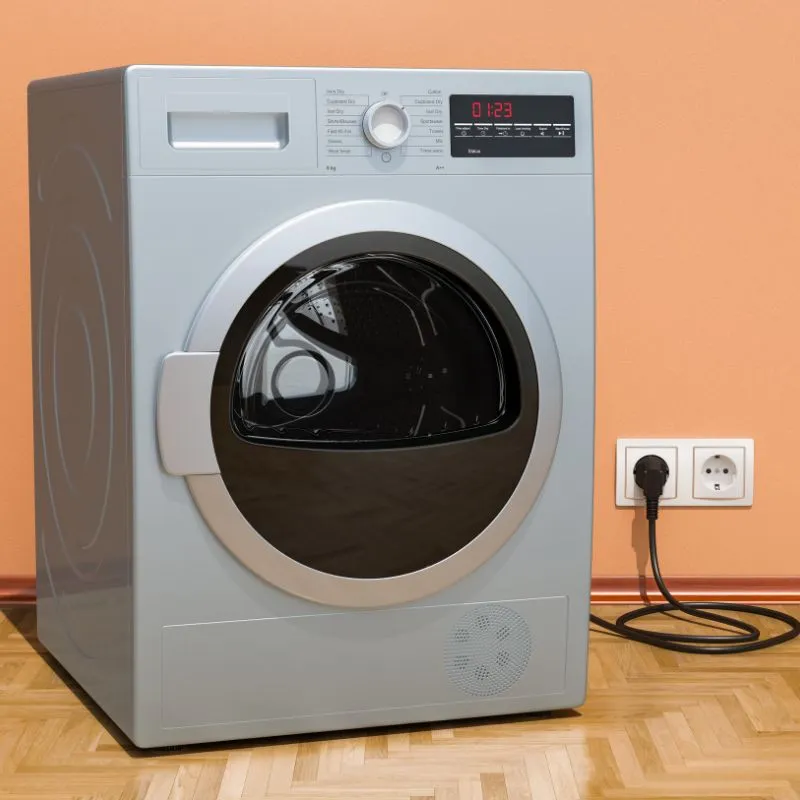
Use lubrication only if:
- The part is metal-on-metal
- Manufacturer guidelines allow it
- No visible structural damage exists
Otherwise, replacement is the smarter long-term solution.
When to Call a Professional Dryer Repair Technician
While many squeaking dryer issues are DIY-friendly, some situations require expert attention.
Consider booking professional service if:
- The noise continues after replacing rollers or belt
- The dryer motor is suspected
- You smell burning or notice overheating
- The appliance stops spinning
- Disassembly feels too complex or unsafe
A trained technician can diagnose hidden issues quickly and prevent additional damage.
How to Prevent Dryer Squeaking in the Future
Preventive maintenance goes a long way in extending appliance life.
Simple habits that help:
- Avoid overloading the dryer
- Clean the lint filter after every cycle
- Inspect unusual noises early
- Schedule periodic professional maintenance
- Use proper drying cycles for fabric type
These small steps can reduce wear on internal components and keep your dryer running quietly for years.
Final Thoughts
A squeaking dryer shouldn’t be ignored. Whether the cause is worn rollers, a loose belt, or a failing pulley, early action can save you time, money, and frustration.
Start with basic troubleshooting and part inspection. If the issue feels beyond your comfort level — booking a professional repair service is always a smart investment in your appliance’s longevity.