

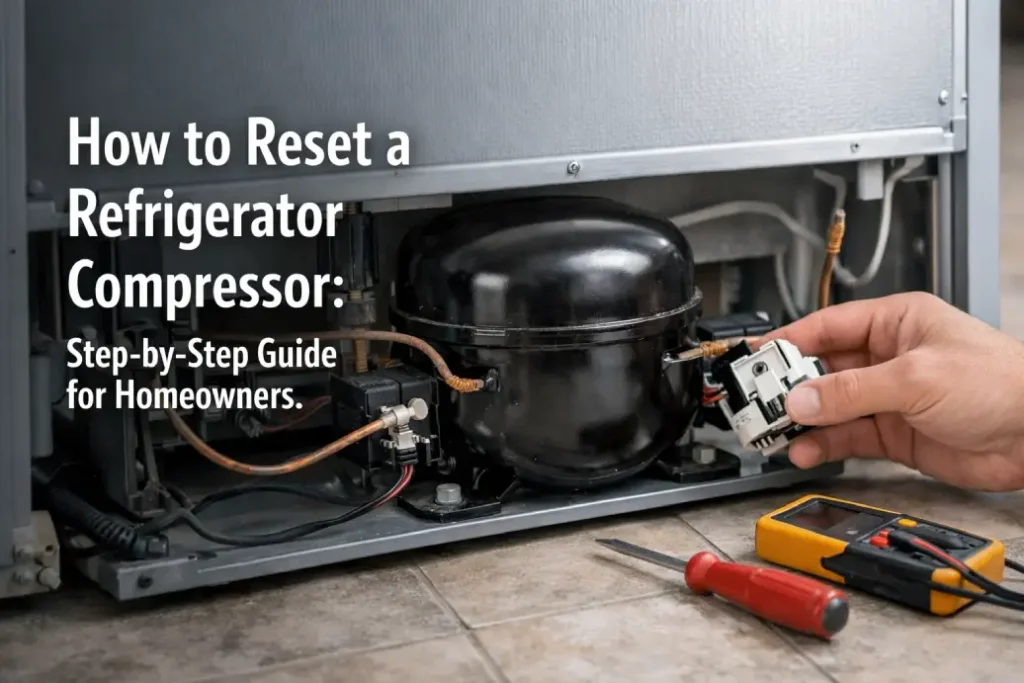
A refrigerator that suddenly stops cooling can feel like an emergency. Before you assume the worst, it’s important to understand that sometimes the issue can be resolved if you know how to reset a refrigerator compressor properly.
In this guide, you’ll learn what a compressor reset actually does, when it’s appropriate, and the exact steps to perform it safely.
What Does It Mean to Reset a Refrigerator Compressor?
Before diving into how to reset a refrigerator compressor, it helps to understand what you’re resetting.
The compressor is the heart of your refrigerator. It circulates refrigerant through the cooling system. When it overheats or experiences an electrical fault, a built-in overload protector may shut it down.
Resetting the compressor usually means:
- Power cycling the refrigerator
- Allowing the overload protector to reset
- Restarting the control system
In some models, there is no physical reset button — the reset process is manual.
Signs Your Refrigerator Compressor May Need a Reset
Not every cooling problem requires a new compressor. Sometimes, knowing how to reset a refrigerator compressor can restore normal operation.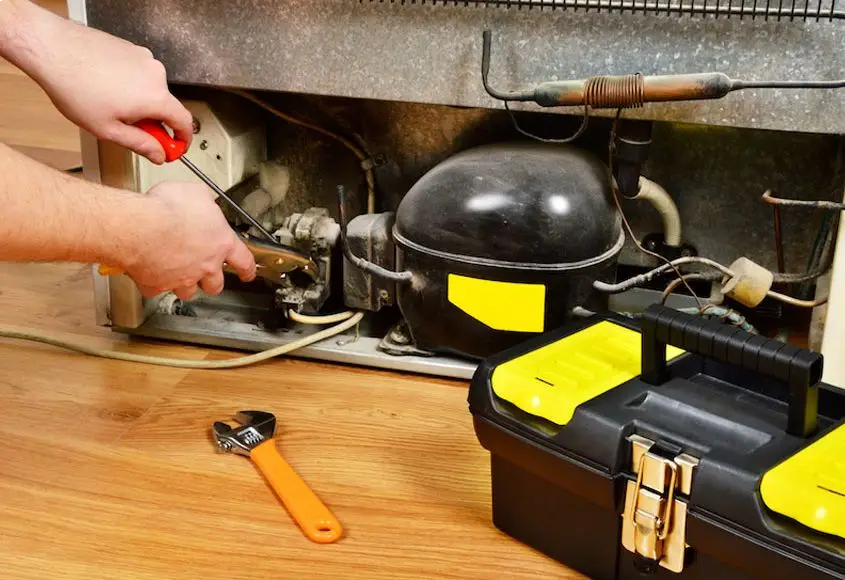
Common signs include:
- Refrigerator not cooling but interior light works
- Clicking noise from the back every few minutes
- Compressor tries to start but shuts off
- Unit stopped after a power surge
- Fridge overheated after being moved
If you smell burning or see visible damage, skip the reset and call a technician immediately.
How to Reset a Refrigerator Compressor Safely
If you’re wondering how to reset a refrigerator compressor, follow these steps carefully.
H3: Step 1 – Unplug the Refrigerator
Disconnect the fridge from the wall outlet.
Do not simply turn it off at the control panel — it must be fully disconnected.
Wait at least 5–10 minutes.
This allows the compressor overload protector to cool down and reset internally.
Step 2 – Adjust the Temperature Controls
While the refrigerator is unplugged:
- Turn both fridge and freezer controls to the “OFF” position
- If there is no OFF option, set them to the warmest setting
This prevents an immediate high-load restart.
H3: Step 3 – Plug the Refrigerator Back In
Reconnect the appliance to power.
Now reset the temperature controls to:
- Refrigerator: 37–40°F (3–4°C)
- Freezer: 0°F (-18°C)
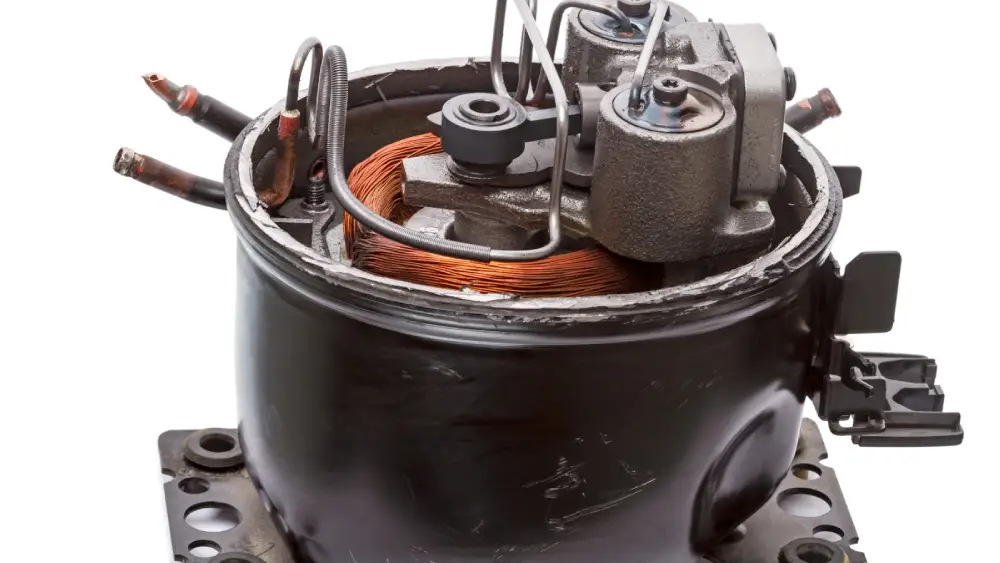 Listen carefully. If you’ve correctly followed how to reset a refrigerator compressor, you should hear the compressor start smoothly within a few minutes.
Step 4 – Monitor for 24 Hours
Give the unit time to stabilize. It can take up to 24 hours to return to full cooling.
If the refrigerator:
- Starts cooling normally → the reset worked
- Clicks repeatedly and doesn’t cool → likely a relay or compressor issue
At that point, the problem may not be solved by simply knowing how to reset a refrigerator compressor.
Does Your Refrigerator Have a Compressor Reset Button?
Some older or commercial models may include a small red reset button near the compressor.
To check:
- Unplug the refrigerator
- Remove the rear access panel
- Look for a small red or black button on the compressor housing
Press it firmly once and reassemble the panel. However, most modern refrigerators rely on automatic overload protection instead of a manual reset button.
When Resetting Won’t Fix the Problem
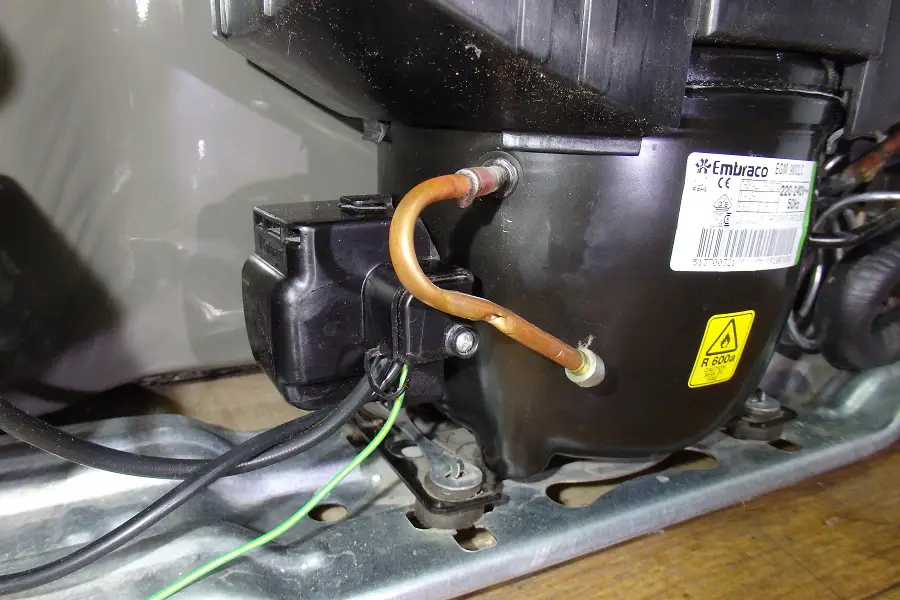 Understanding how to reset a refrigerator compressor is helpful — but it won’t solve mechanical failure.
Professional repair may be required if:
- Start relay is defective
- Capacitor has failed
- Compressor windings are damaged
- Refrigerant levels are low
- Control board malfunctioned
Replacing a compressor is a complex and costly repair. In many cases, a licensed technician can determine whether repair or replacement is more cost-effective.
Is It Safe to Reset a Refrigerator Compressor Yourself?
Yes — if you follow proper safety steps.
Always:
- Disconnect power before accessing components
- Avoid touching exposed wiring
- Do not open sealed refrigerant lines
If the refrigerator trips breakers or shows repeated failure after reset attempts, stop troubleshooting and seek professional help.
How to Reset a Refrigerator Compressor
Knowing how to reset a refrigerator compressor can save time and possibly prevent unnecessary repair costs. Many cooling failures are temporary overload issues caused by power surges, overheating, or improper shutdown.
However, if the problem returns or the compressor refuses to start, professional diagnosis is the safest path forward.
When in doubt, it’s better to schedule a qualified appliance technician than risk further damage.
Before performing a reset, it’s important to confirm that the compressor itself is not mechanically damaged. If you’re unsure about its condition, follow our step-by-step guide on how to check a refrigerator compressor to properly diagnose the issue and avoid masking a more serious problem.