

What Is a Water Inlet Valve?
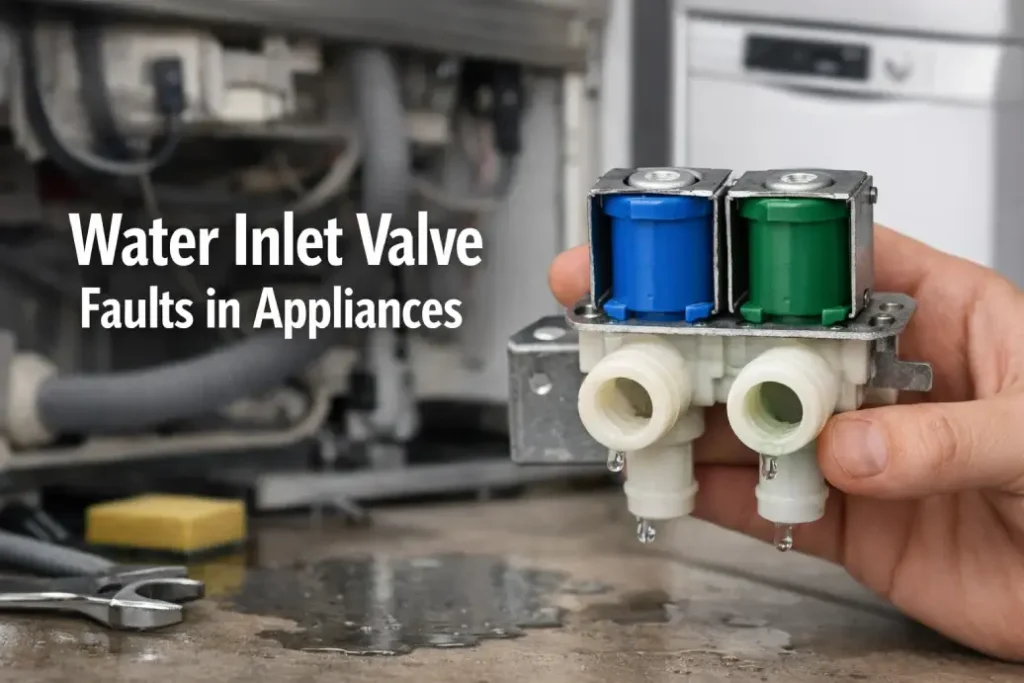
A water inlet valve is an electrically controlled solenoid valve that opens and closes to allow water into an appliance. When the appliance’s control board sends an electrical signal, the solenoid activates and opens the valve, permitting water to flow. Once the correct water level is reached, the valve closes.
Water inlet valves are commonly used in: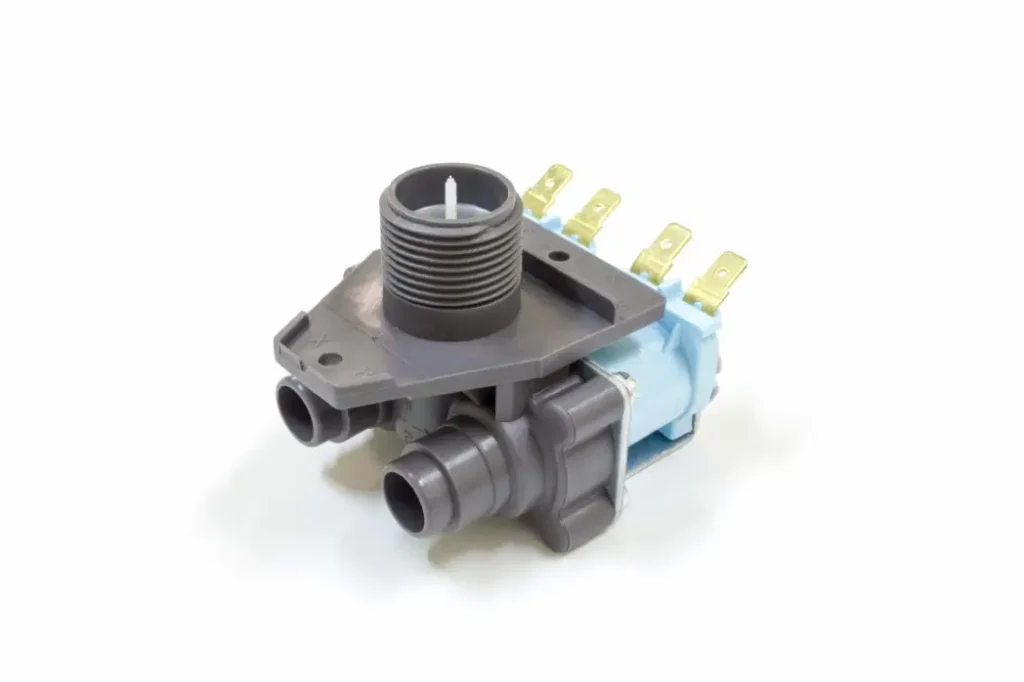
- Washing machines
- Dishwashers
- Refrigerators with ice makers or water dispensers
- Coffee machines
- Commercial laundry systems
Common Water Inlet Valve Faults in Appliances
Understanding typical failure patterns can help diagnose issues quickly.
1. Valve Not Opening
If the valve fails to open, the appliance won’t fill with water. This can result in:
- Washing machines not starting cycles
- Dishwashers failing to fill
- Ice makers not producing ice
Possible causes:
- Burned-out solenoid coil
- Faulty electrical connection
- Control board malfunction
- Clogged internal filter screen
2. Valve Not Closing Properly
When a valve remains partially open, water may continuously drip into the appliance.
Symptoms include:
- Washing machine overfilling
- Dishwasher leaking
- Ice maker overflowing
- Water pooling inside appliance drum
This is often caused by:
- Debris trapped inside the valve
- Worn diaphragm
- Weak return spring
3. Low Water Pressure into the Appliance
A partially clogged inlet valve may restrict water flow, leading to:
- Longer wash cycles
- Poor cleaning performance
- Error codes related to water supply
Mineral buildup from hard water is a common culprit.
4. Electrical Failure
Water inlet valves rely on solenoids. If the coil burns out, the valve won’t operate.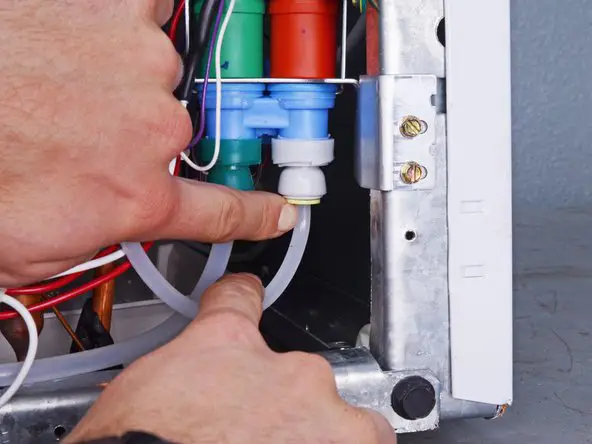
Typical signs:
- Appliance hums but doesn’t fill
- Multimeter test shows no continuity
- Intermittent water supply
What Causes Water Inlet Valve Faults?
Several factors contribute to valve failures:
Hard Water and Mineral Deposits
Calcium and magnesium buildup can clog internal components and reduce valve mobility.
Sediment in Water Supply
Sand, rust, or debris from pipes can damage the valve seat or block filters.
Electrical Surges
Voltage spikes may damage the solenoid coil.
Normal Wear and Tear
Most water inlet valves last 5–10 years depending on usage frequency.
How to Diagnose a Faulty Water Inlet Valve
Here’s a step-by-step overview:
- Disconnect power and water supply.
- Inspect hoses for kinks or blockages.
- Remove the valve and check the filter screen.
- Test the solenoid with a multimeter for continuity.
- Check inlet pressure (typically 20–120 psi required).
If the solenoid shows no continuity or the valve leaks internally, replacement is usually recommended.
Can a Water Inlet Valve Be Repaired?
In most cases, water inlet valves are not repairable. They are sealed units, and replacement is more reliable than attempting internal repairs.
Cleaning sediment from the inlet screen may restore function temporarily, but worn internal components require full replacement.
Preventing Water Inlet Valve Problems
To extend the lifespan of your appliance’s valve:
- Install a water filter or sediment filter
- Use a water softener in hard water areas
- Avoid high water pressure (install pressure regulator if needed)
- Inspect hoses annually
- Replace aging supply lines
When to Call a Professional
If you notice:
- Persistent leaking
- Repeated appliance error codes
- Electrical burning smell
- Water damage around the appliance
It’s best to contact a qualified appliance technician. Incorrect installation may lead to further damage or void warranties.
Conclusion
Water inlet valve faults in appliances can cause a wide range of operational problems—from no water flow to dangerous overfilling. Fortunately, early diagnosis and timely replacement can prevent costly repairs and water damage.
Routine maintenance, clean water supply, and proper water pressure management are the best defenses against valve failure.
If your appliance isn’t filling correctly or shows signs of leaking, the water inlet valve should be one of the first components you check.